Blog
Blog
I write down what I'm learning about the Asturian gaita, traditional music, and the Atlantic and Celtic cultural connection.
-
 Essay
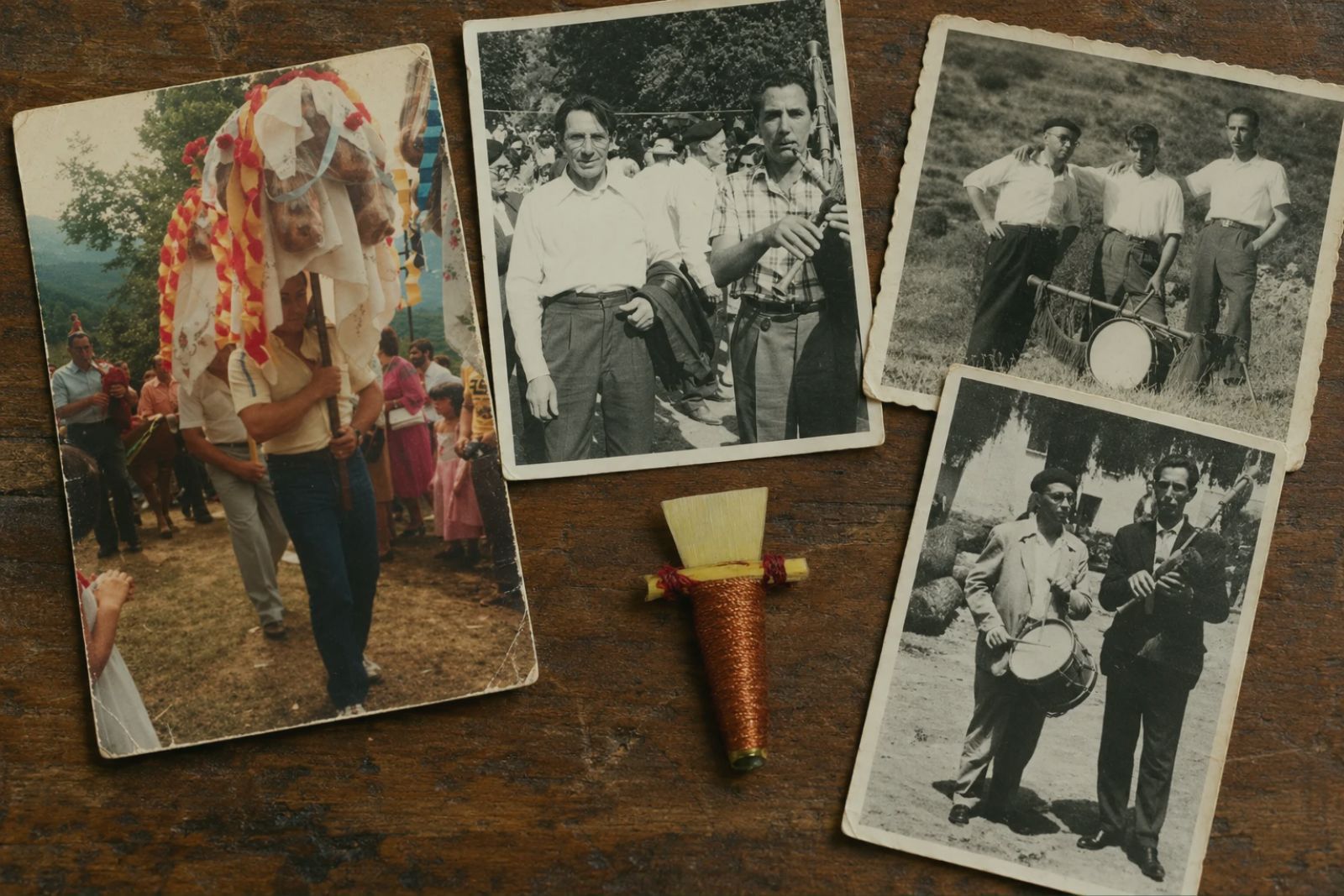
EssayJuan Rodríguez Huerta: piper from Teverga and gaita maker
Fourth instalment of the series: Juan el de la Torre, piper from Teverga and gaita maker, who played through the war and the dictatorship.
-
 Guide
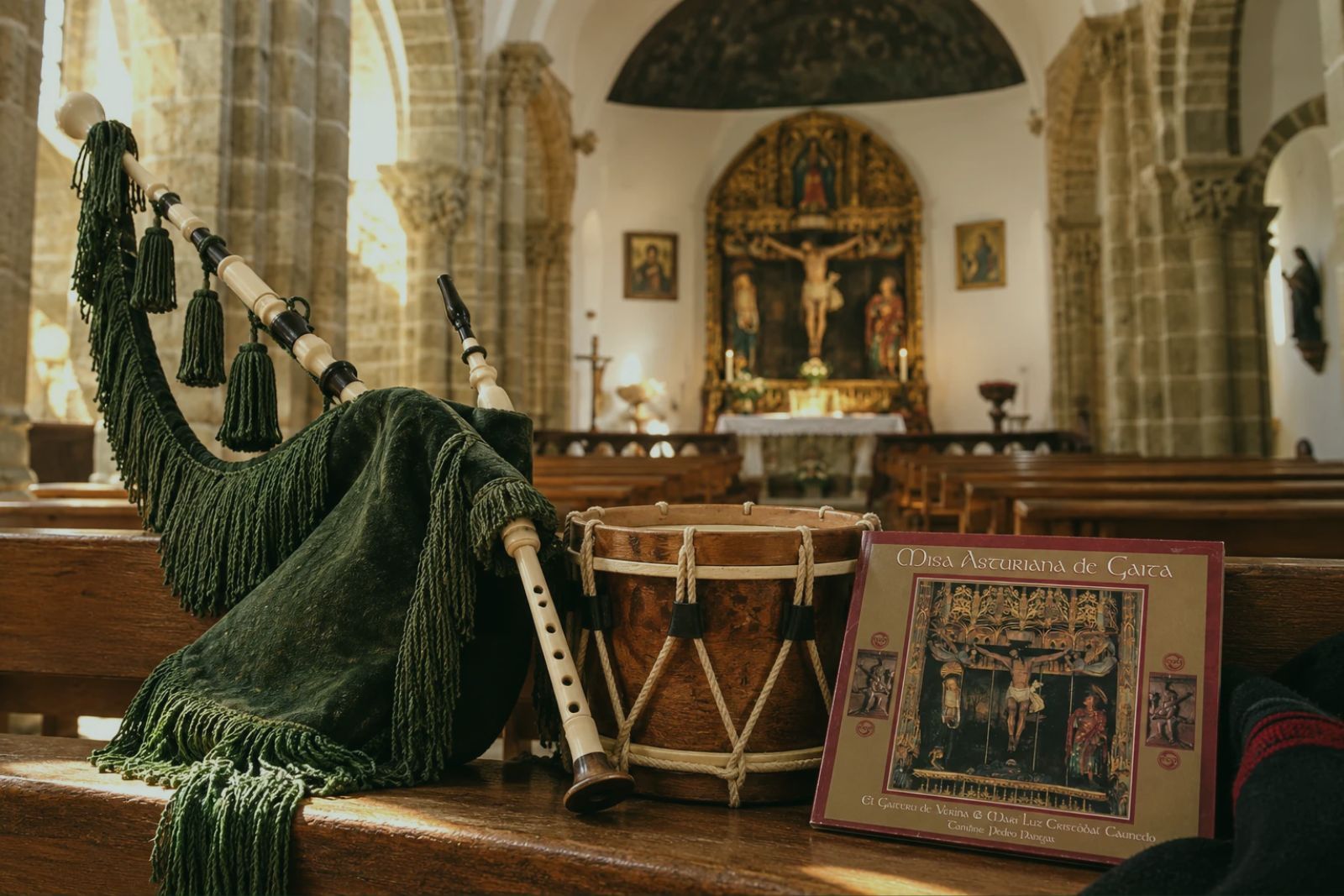
GuideWhat is the Asturian gaita mass
A Latin mass, sung in Asturian tonada style and accompanied by the gaita. What it is, where it comes from, how it sounds and why the Administration declared it a Bien de Interés Cultural in 2014. One of the oldest musical traditions of Asturias.
-
 Tutorial
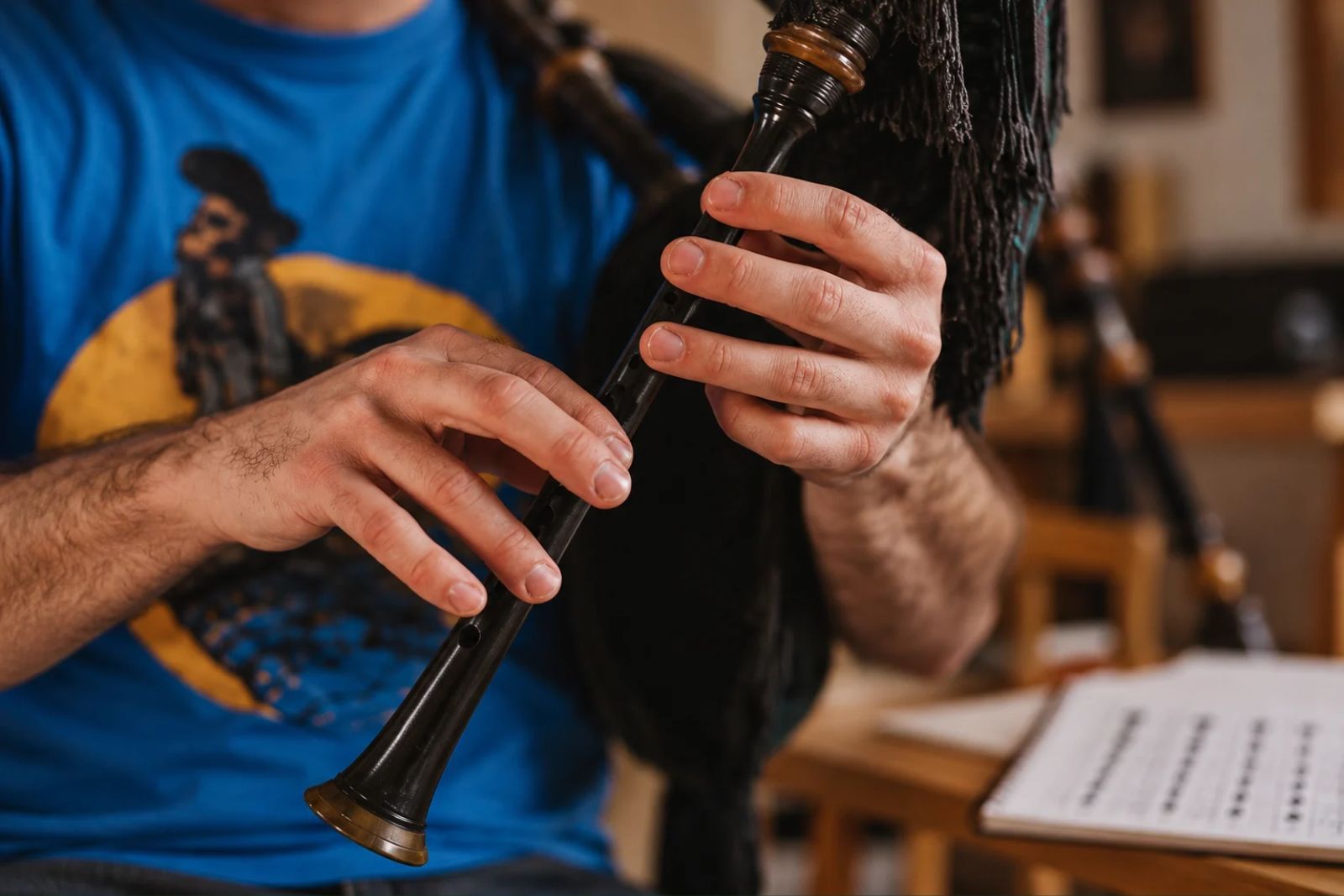
The pivot: the exercise my students use to memorise the notes of the Asturian gaita
I came up with this exercise years ago and I use it with all my students, at every level: you fix one note and alternate it with the others. This way you memorise the fingering of each note, learn to narrate the notes in your head while you play them, and gain the independence to play without sheet music.
-
 Essay
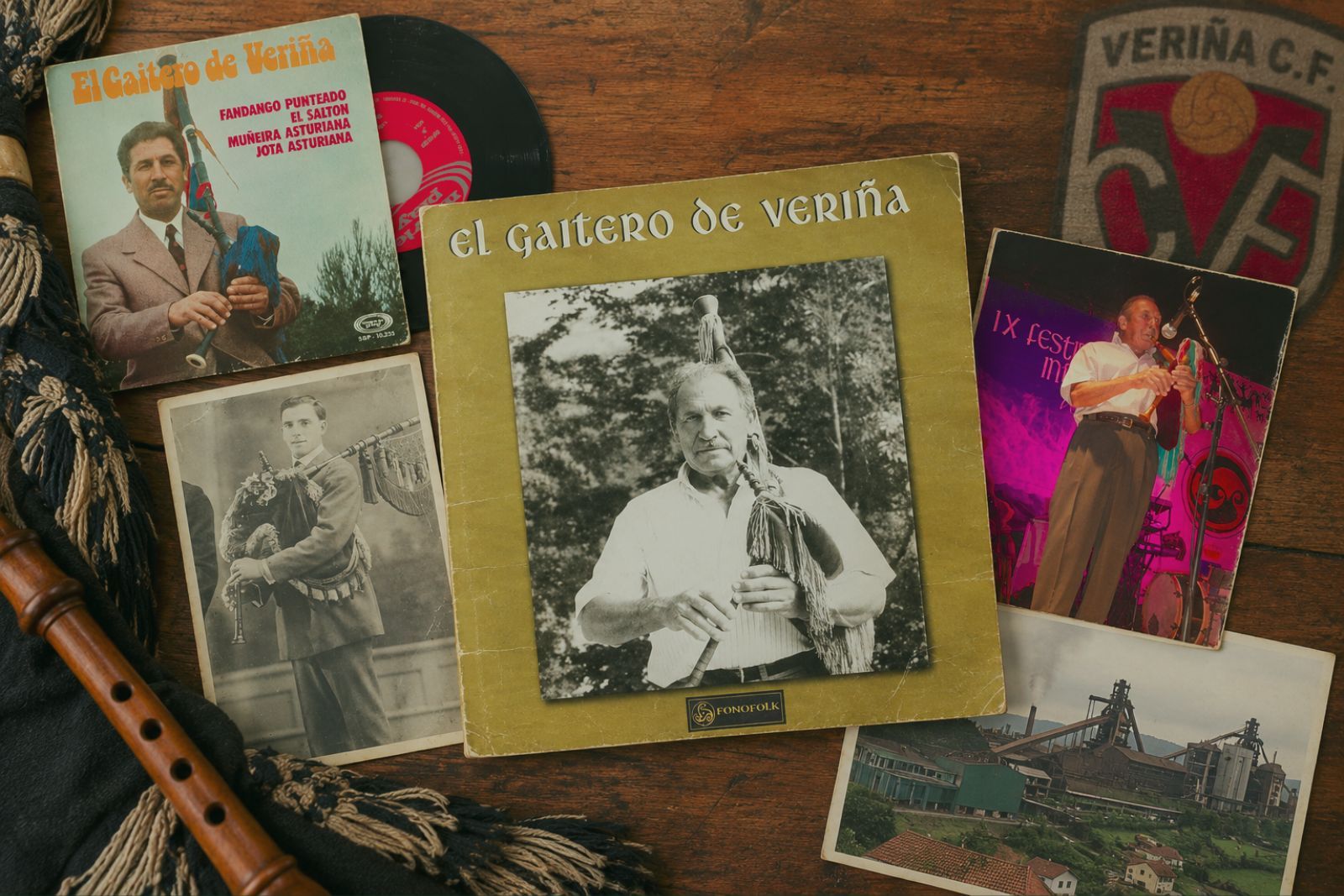
EssayThe Gaiteru de Veriña: the accompanist of the great Asturian tonada
Third instalment in the series on the pipers of tradition: the Gaiteru de Veriña, accompanist of the great tonada voices from the age of 15, and one of the few pipers who kept playing through the rural exodus of the 1960s.
-
 Essay
EssayHow we work at EMTI Fervienza
I designed my school so it doesn't depend on my schedule and the student's schedule lining up: recorded lessons, a platform that genuinely checks whether the student is progressing, and video tutorials that answer real questions and stay available for everyone. Here's how it works and why I built it this way.
-
 Essay
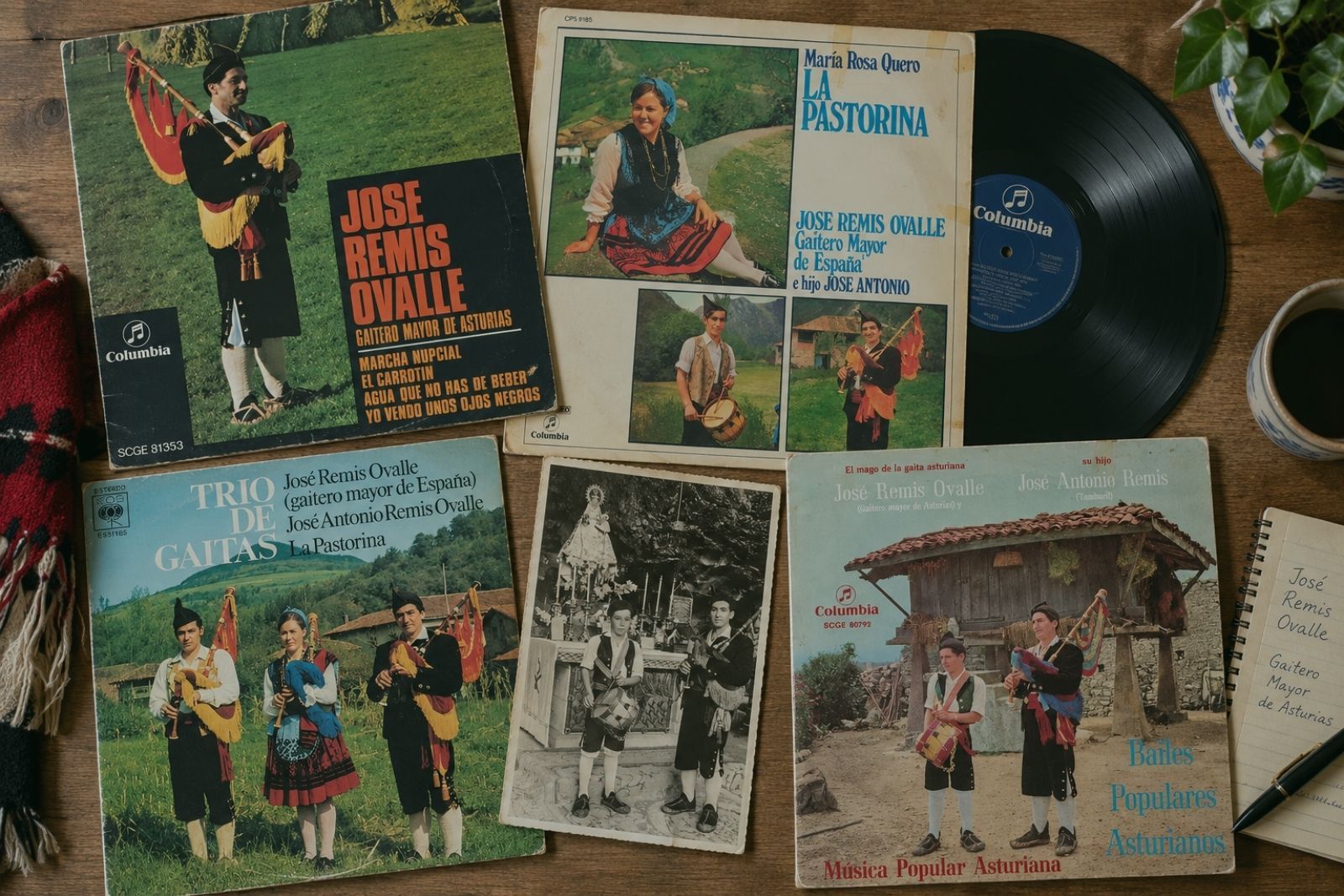
EssayJosé Remis Ovalle: the double Gaitero Mayor of Asturias and Spain
Second instalment in the series on the pipers of tradition: José Remis Ovalle, son of a piper, double Gaitero Mayor de Asturias and the first Gaitero Mayor de España, whose three-year American tour and whose Floréu de Remis still mark the Asturian gaita repertoire today.
-
 Essay
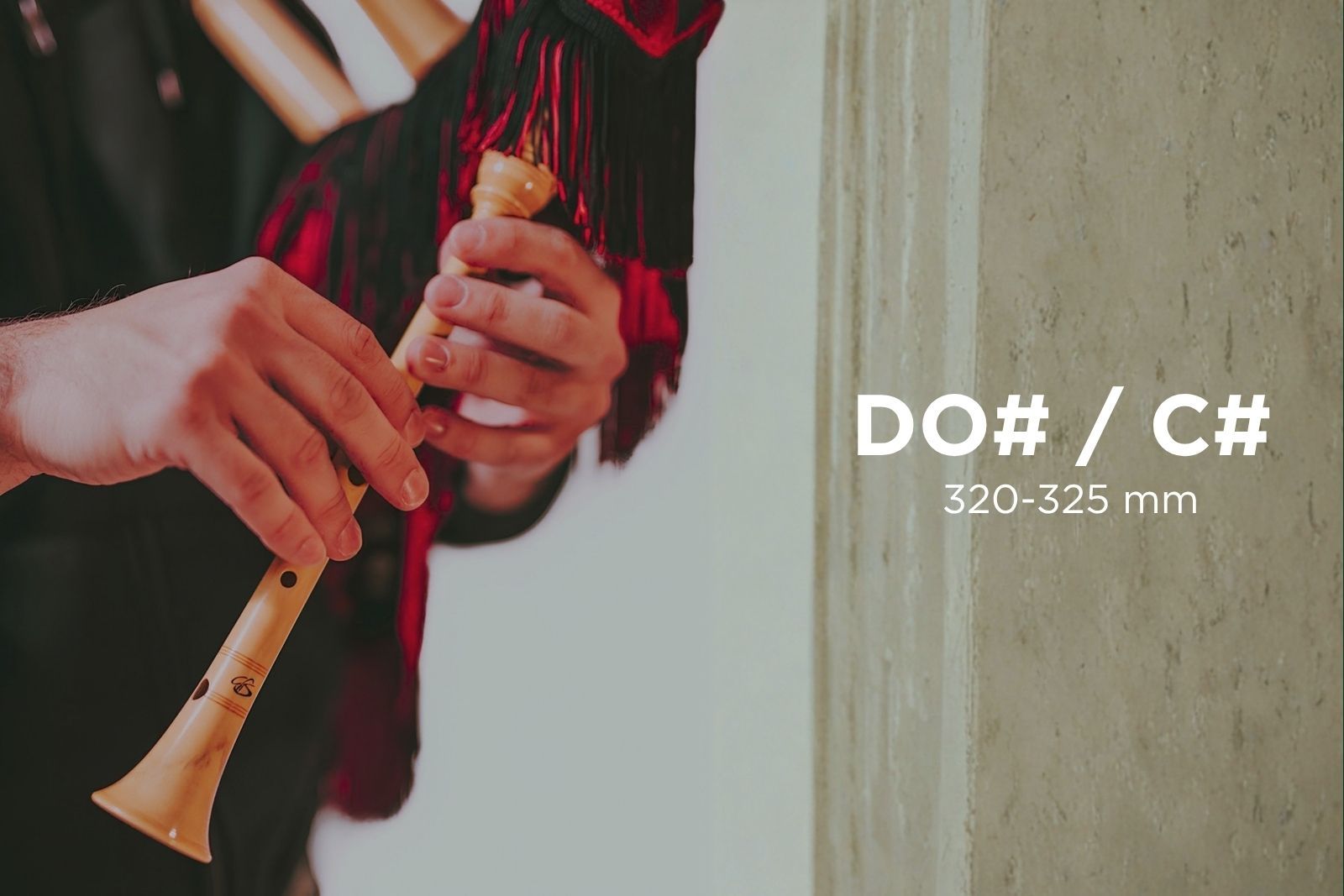
EssayMy gaita in C# by Chus Solís
I start the series on the luthiers I work with with myself. The first piece: why in 2018 I asked Chus Solís for a gaita in C#, a lesser-known key, chasing the same brightness in José Remis Ovalle's sound.
-
 Essay
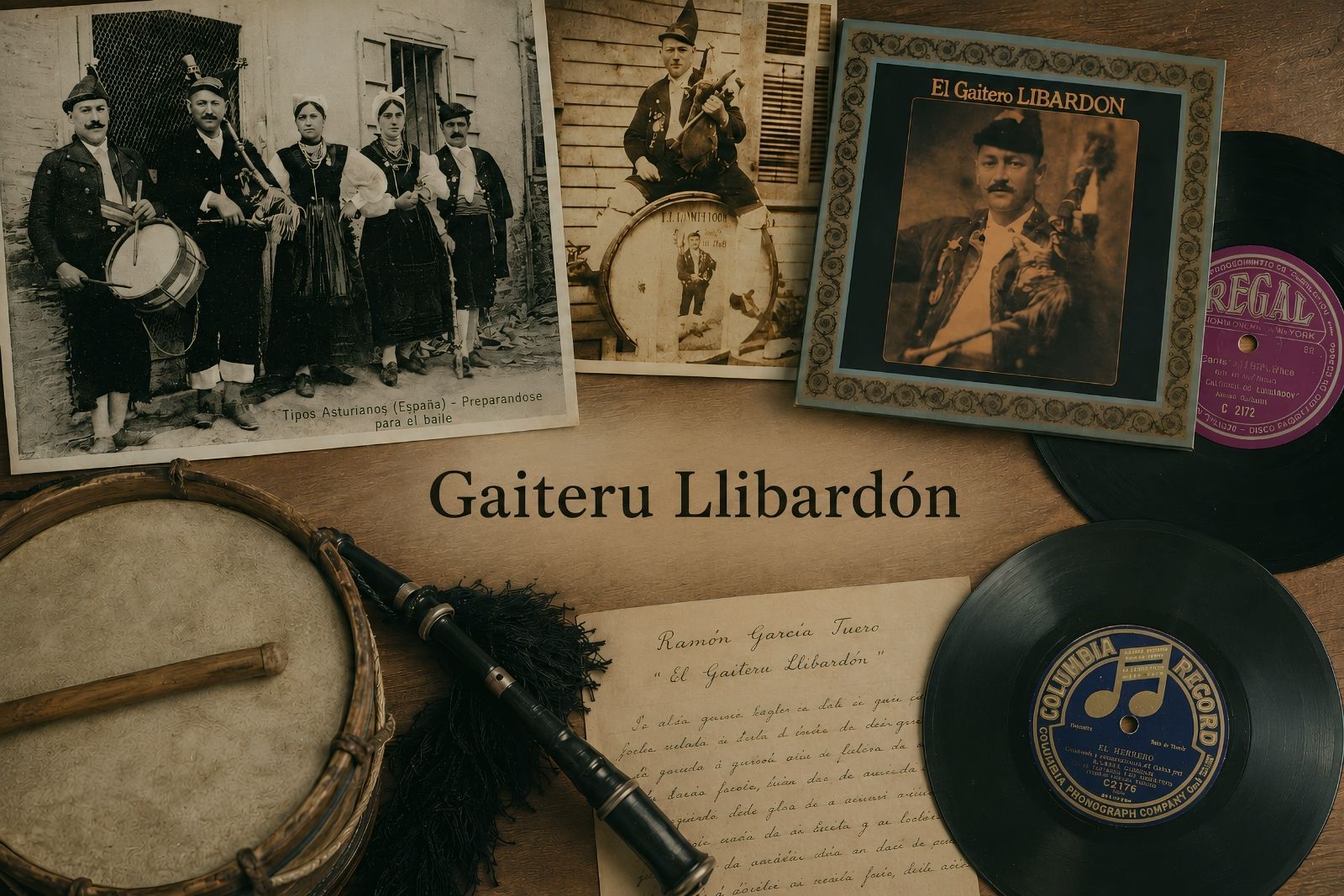
EssayThe Gaiteru Llibardón: the first Asturian gaita record
Who the Gaiteru Llibardón was, the Asturian piper who recorded the first Asturian gaita record in 1909 and took the instrument to the world's fairs of Paris, Buenos Aires and Barcelona. Why his figure still marks the path for anyone who today takes the gaita beyond Asturies.
-
 Essay
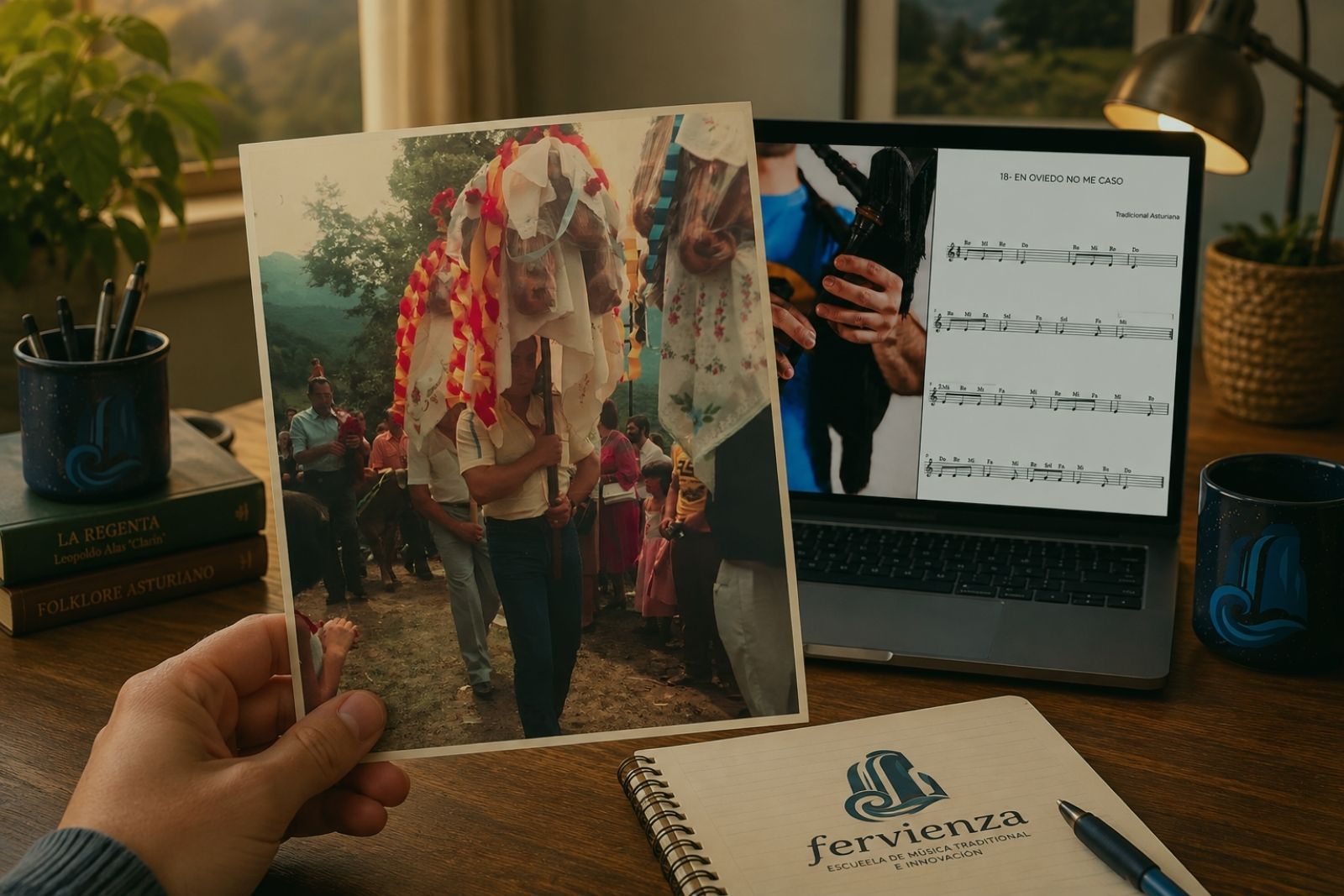
EssayThe photo that named the school
I thought I already knew everything my family name meant. While researching a piece on the musicians of the valley, I found a photo that changed my mind — and ended up naming something I had just founded.
-
 Guide
GuideWhat is Asturian traditional music?
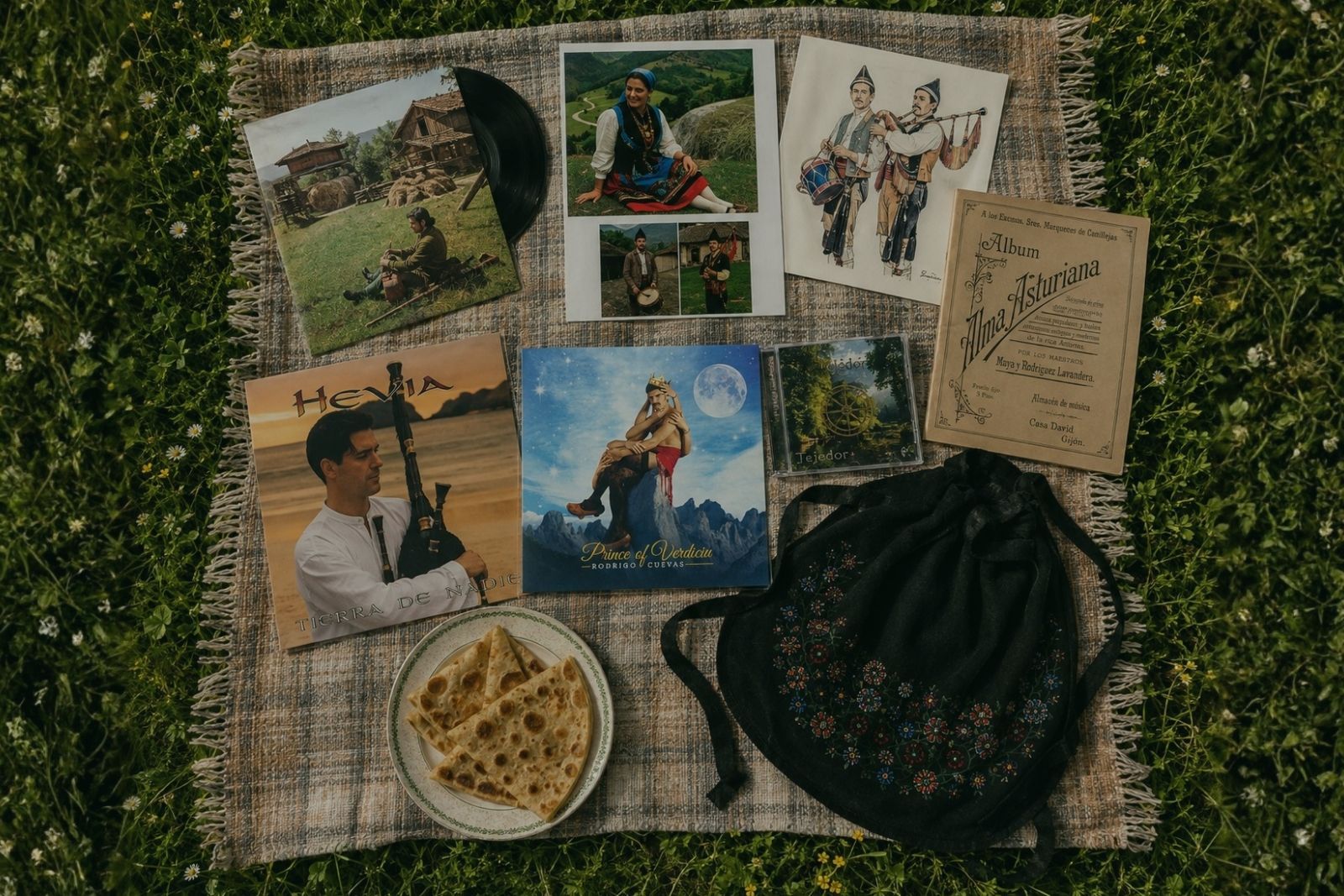
Asturian traditional music is not an instrument or a museum piece: it's a system with repertoire, oral transmission and real social contexts. Here I explain it in full, and place the gaita where it actually fits within it.
-
 Comparison
Asturian bagpipe vs. Great Highland Bagpipe: the real differences
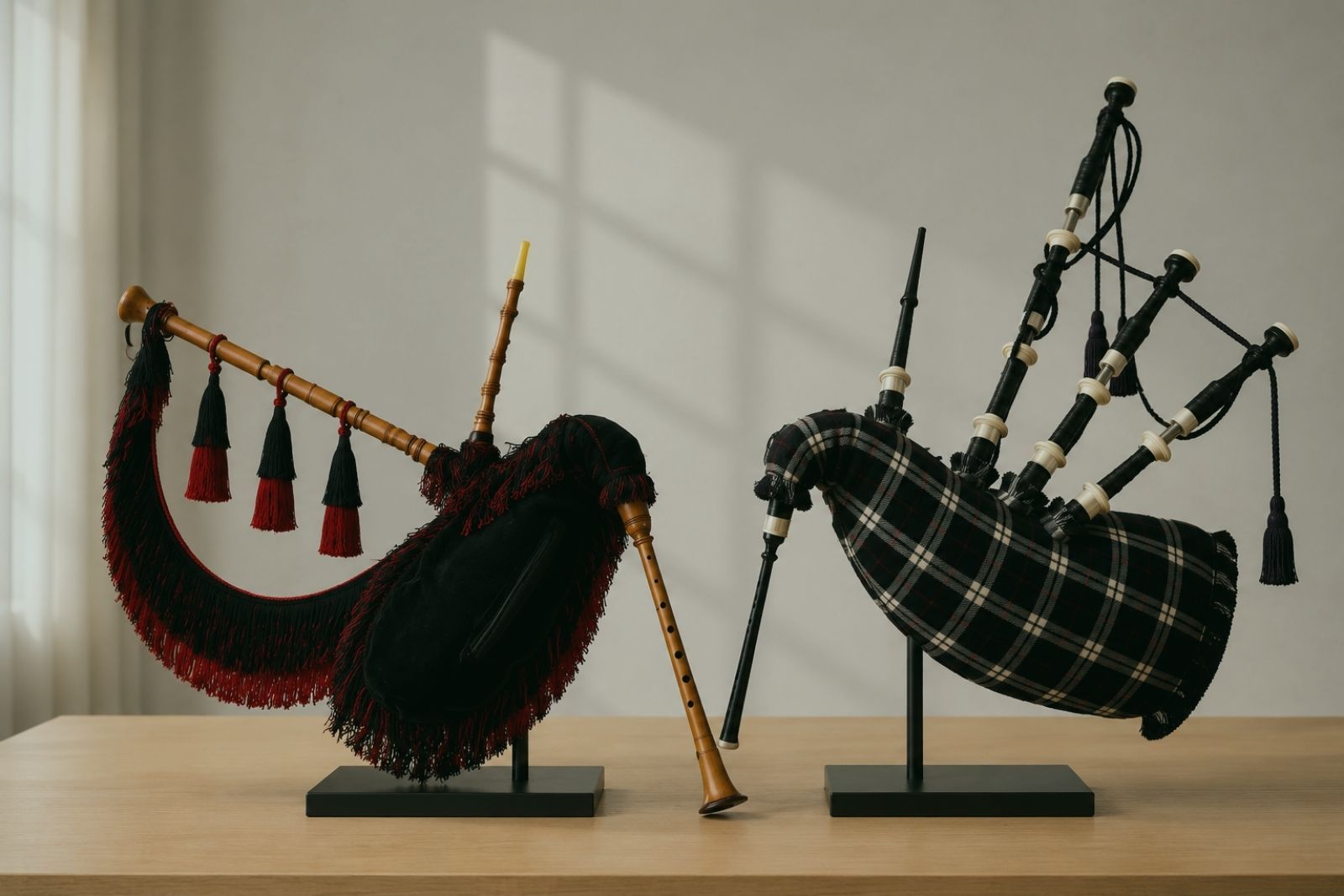
Two bagpipes that get confused from the outside but sound and play differently: single drone versus three drones, flexible scale versus fixed scale, solo-piper tradition versus pipe band. The real differences, from having played both.
-
 Essay
EssayThe Asturian gaita today: conservatory, schools and reference bands
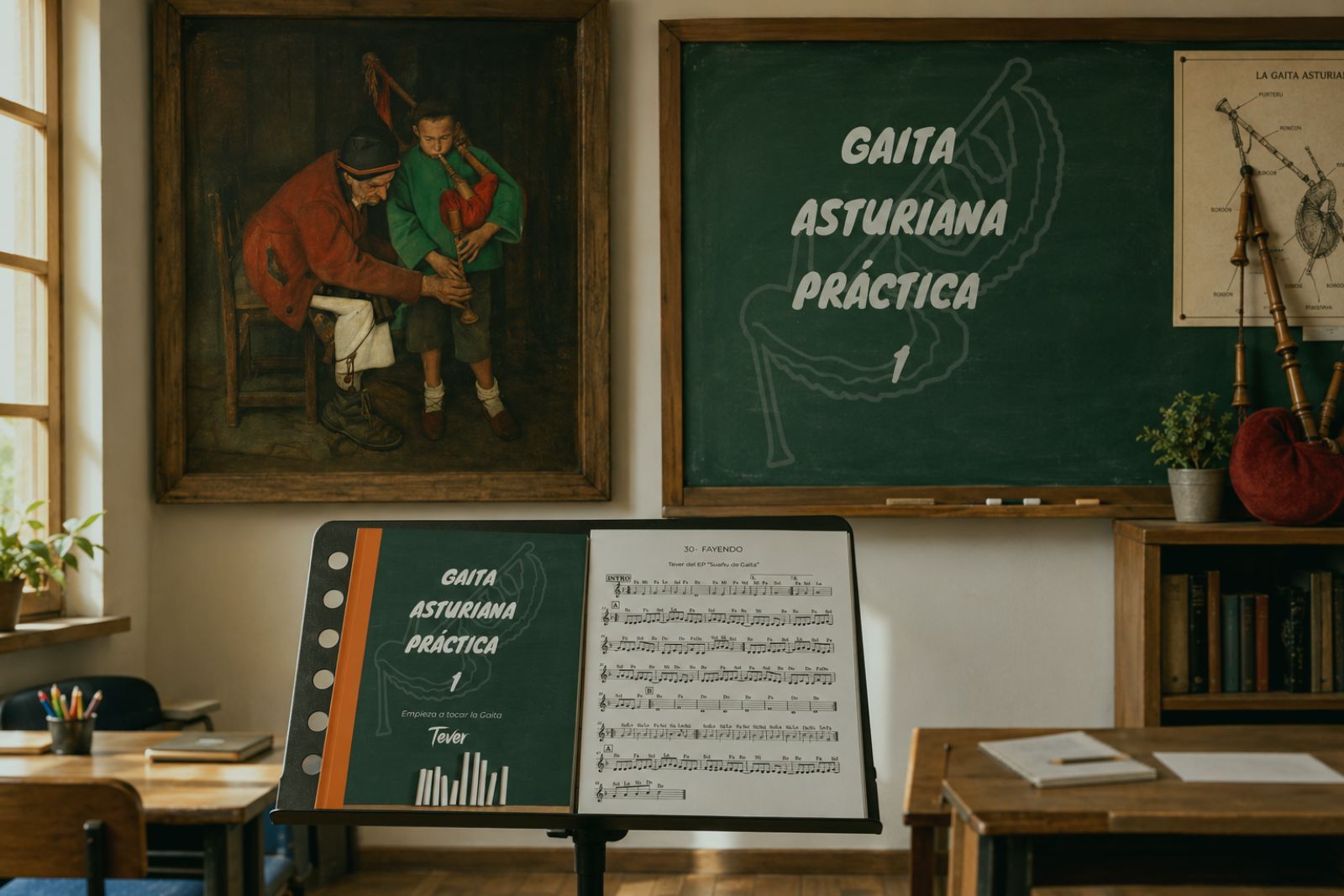
How an Asturian piper trains today: from the professional and higher conservatory to the band schools, with a look at the bands and reference figures that sustain the instrument's current fabric.
-
 Guide
GuideMaking music with AI: practical tools to try today
AI music tools you can try today: Moises for separating tracks and rehearsing clean, Suno for generating a full song from scratch, and why neither one turns you into a musician without the groundwork you already had.
-
 Essay
EssayThe Asturian Anthem in salsa clave
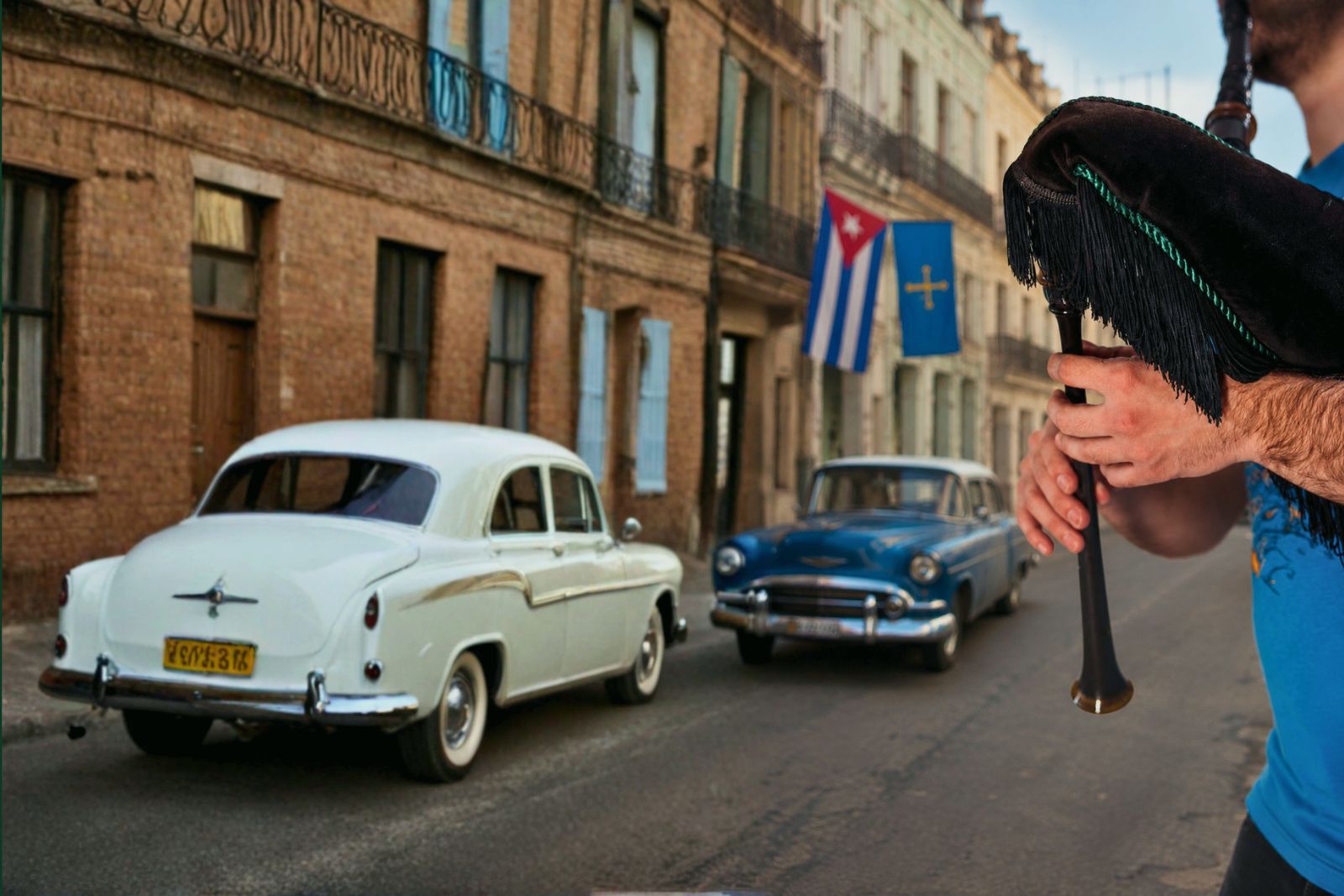
Why I took the Asturian Anthem to salsa rhythm for Asturias Day: what the Cuban clave has that a march doesn't, and what you have to accent —and what you have to break— to make a straight melody sound real in salsa.
-
 Essay
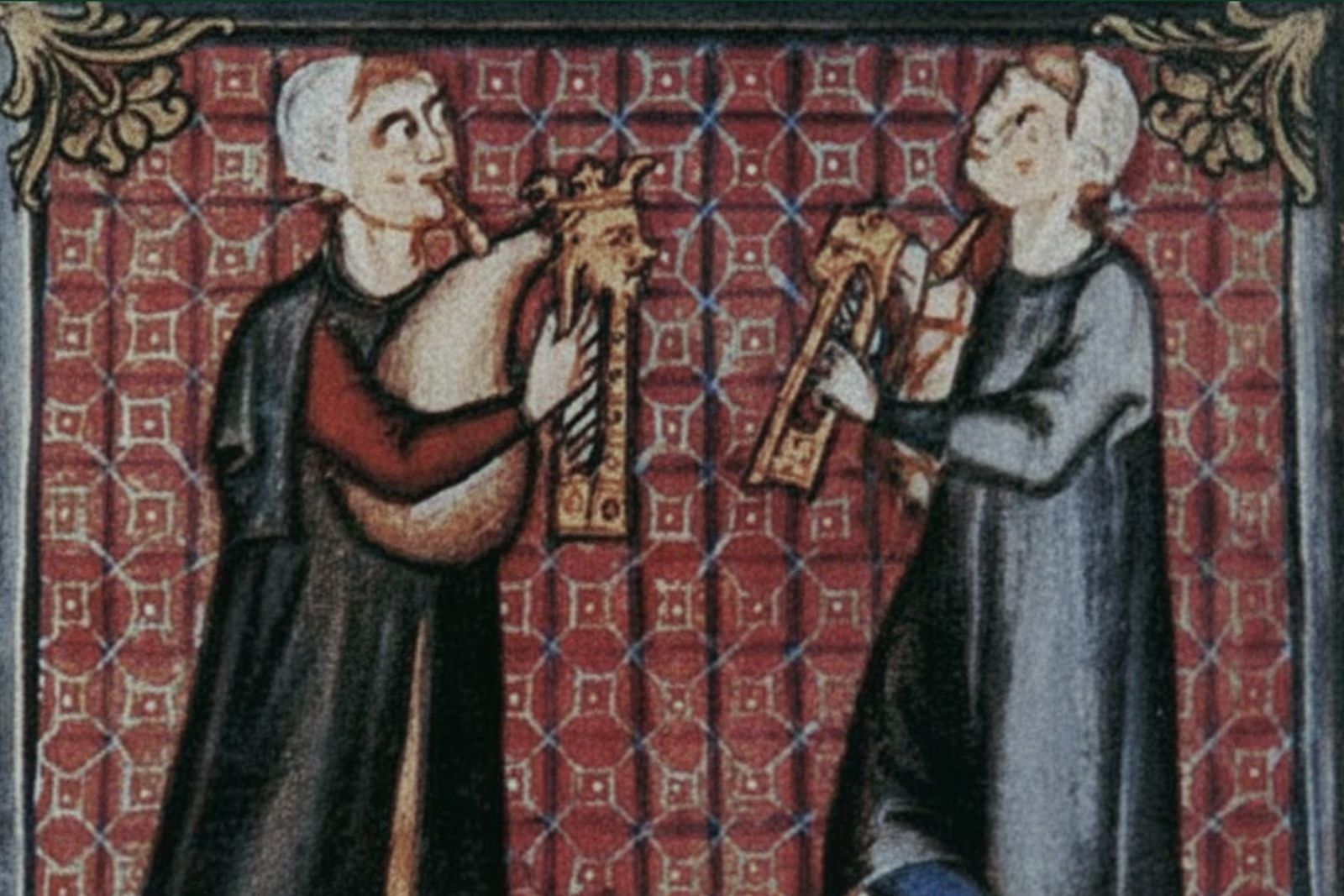
Essay"Gaita de fol": the etymology of a name
Where «fol» comes from and why «gaita de fole» is, according to philology, the more precise term for a family that «zamorana» or «sanabresa» name only in part. And why in Asturies we say «gaita de fuelle».
-
 Essay
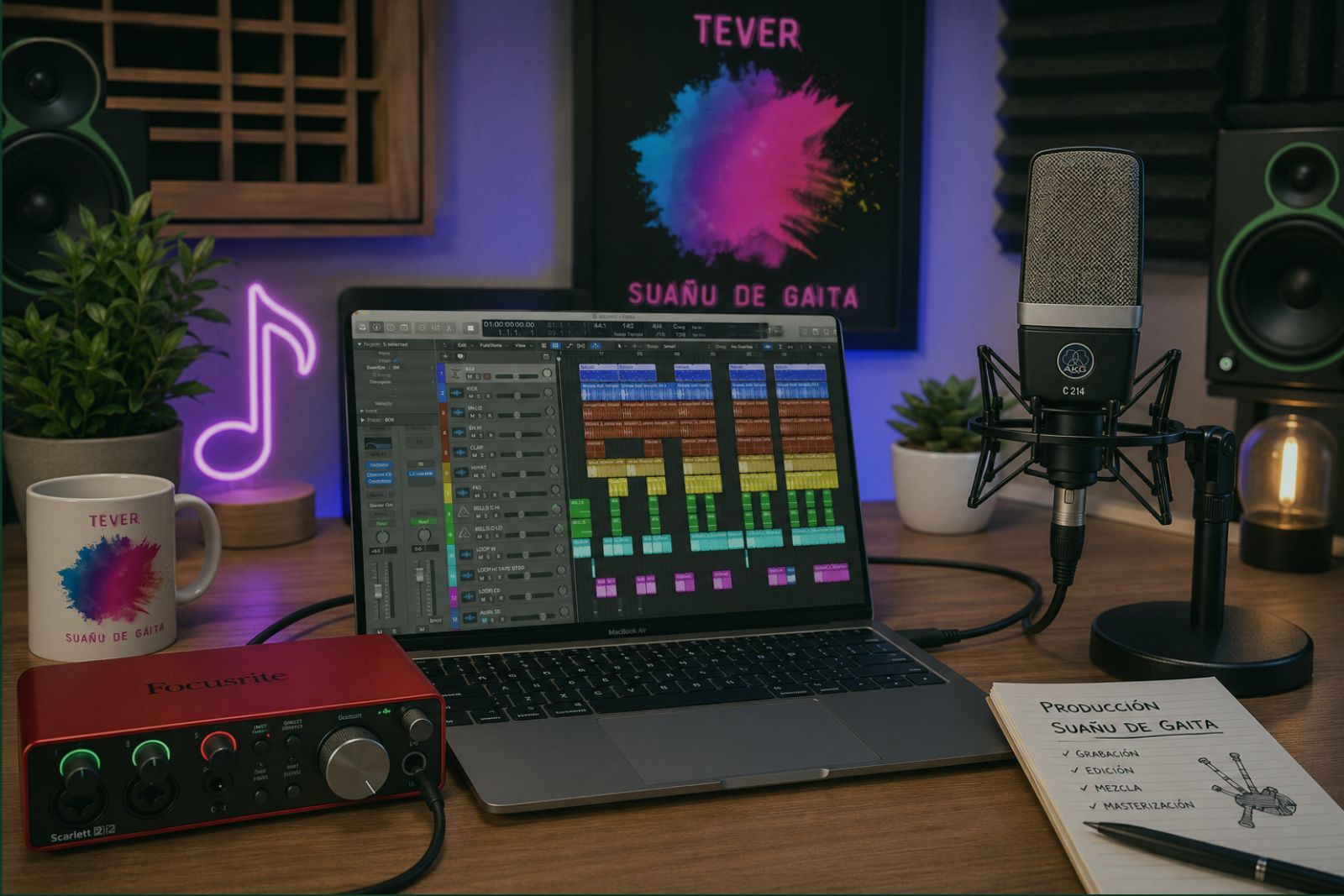
EssayProducing with a DAW as a musician: Logic Pro X, Suañu de Gaita and what I learned along the way
How I produced my EP Suañu de Gaita (2019-2021) with Logic Pro X: why I chose that DAW, and what the process taught me about myself. If you want to understand how music production works, I recommend reading this post.
-
 Essay
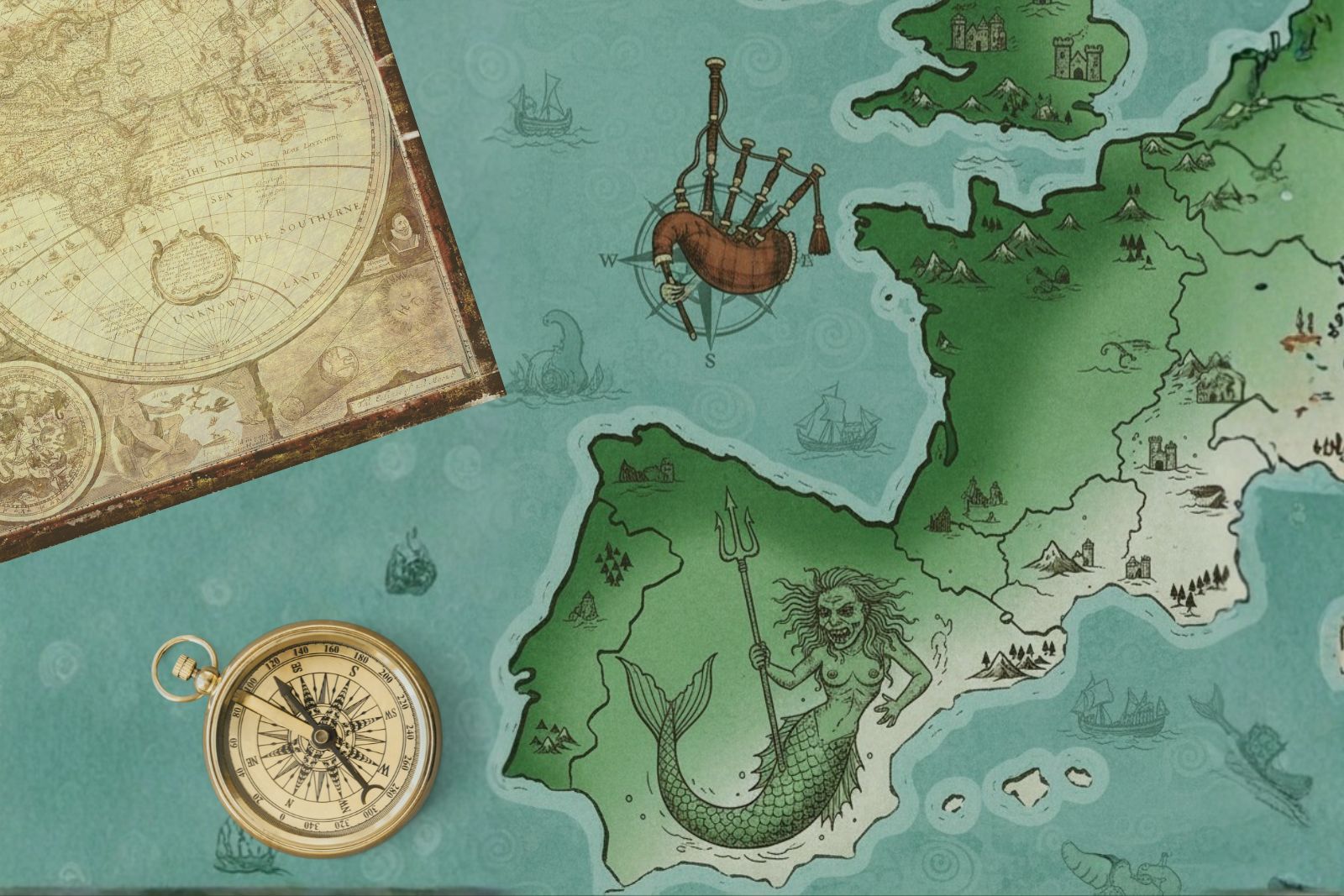
EssayA guide to the bagpipes of the Atlantic arc
A guide to the most representative gaitas of the Atlantic arc —Scottish, Irish, Breton, Galician, Asturian and more— ordered by organological axes rather than by country. Where the Asturian gaita fits and why it is not just one more «Celtic bagpipe».
-
 Comparison
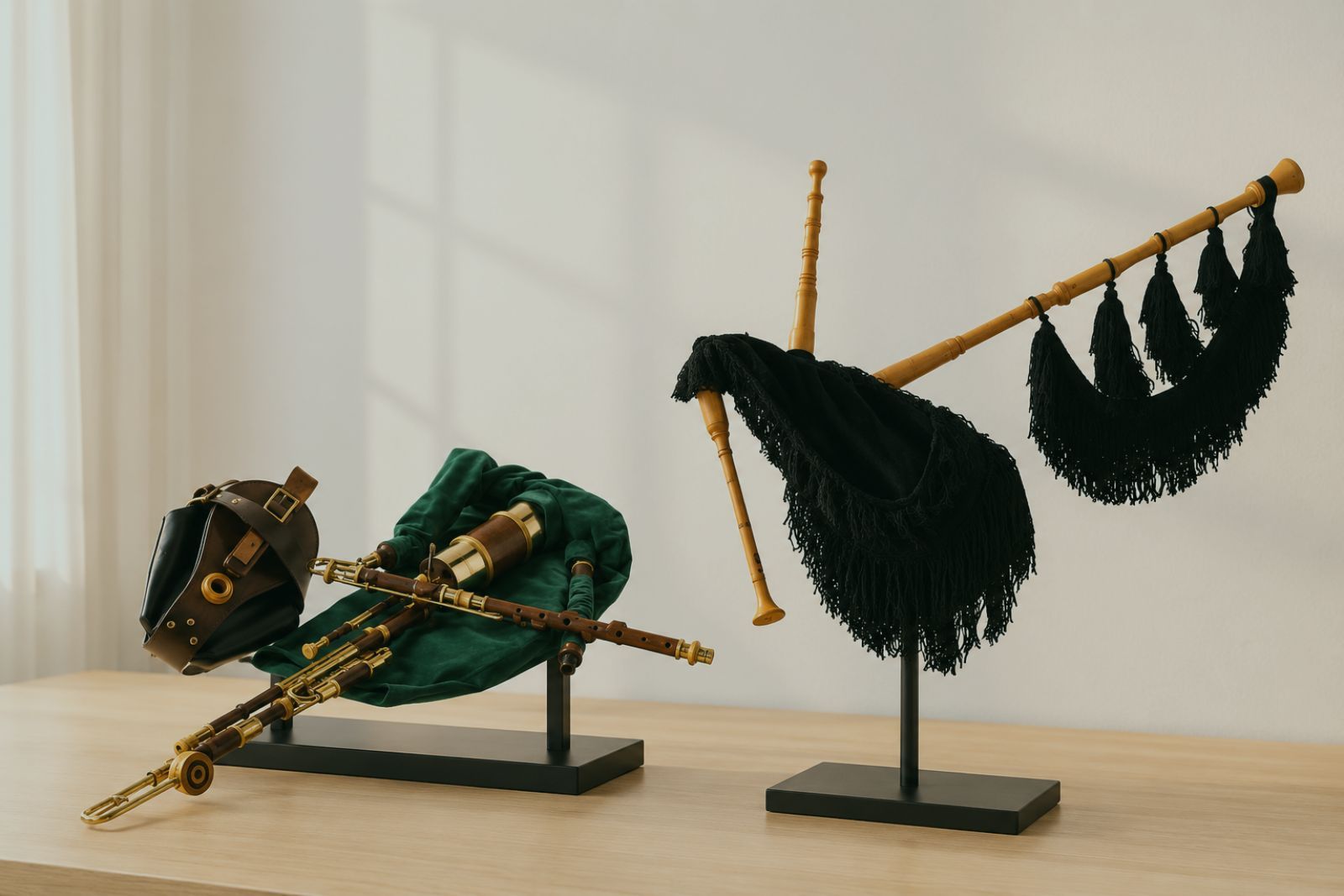
Asturian gaita vs. Irish uilleann pipe: the real differences
Two gaitas that share an Atlantic root and an oral-tradition music, but whose mechanics and sound take them to different worlds. Here I tell the real differences from the experience of having played both.
-
 Essay
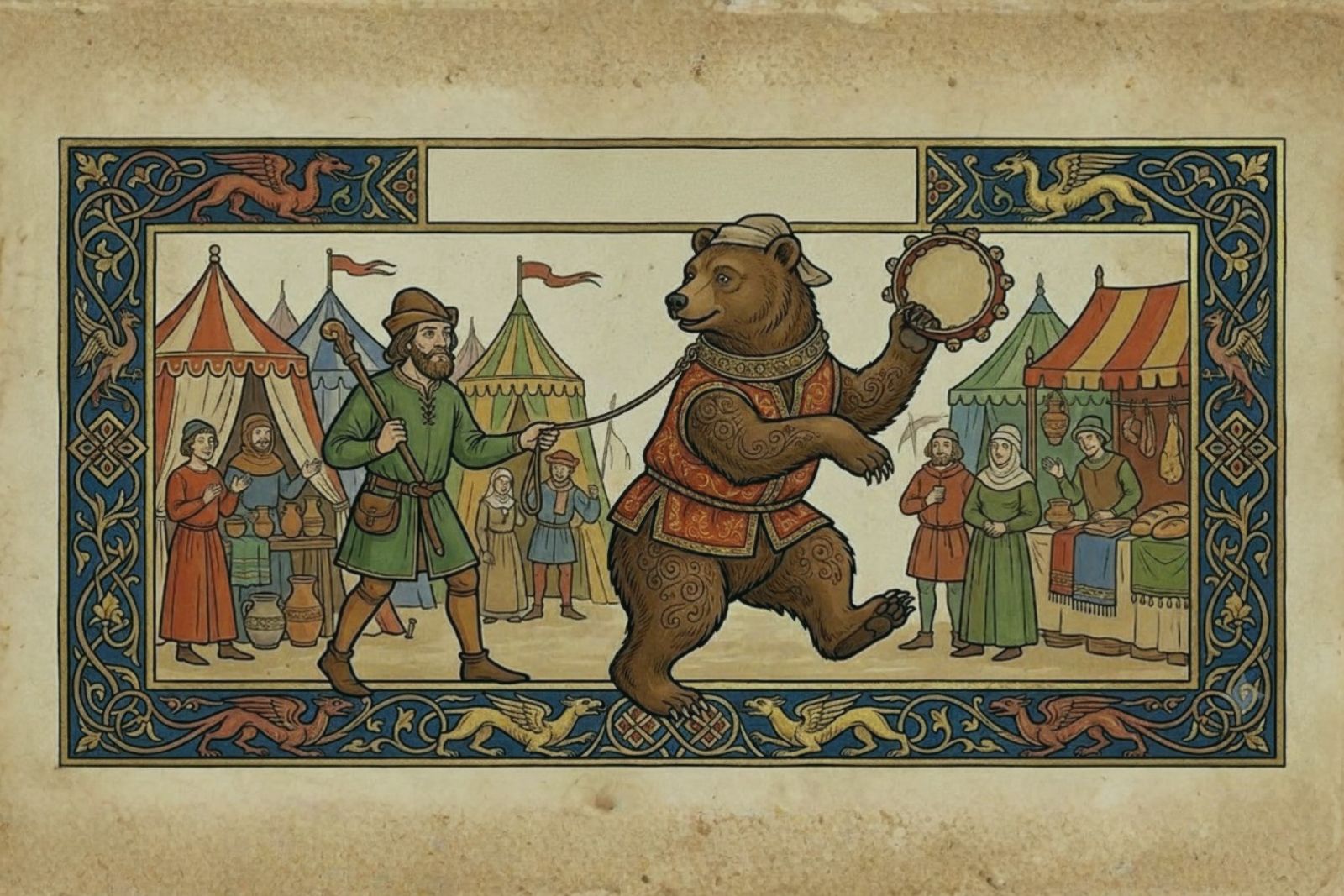
EssayThe Bear Dance: it sounds medieval, but it arrived forty years ago
The Bear Dance sounds like old music, almost medieval, but it is neither Asturian by origin nor old: it reached Asturies in 1984. The datable story of how a Central European polka became ours, and why it is the tune that beginners on the gaita enjoy most.
-
 Essay
EssayWhy bagpipes play at American funerals
Bagpipes at American funerals were not born of an aesthetic decision. They were born of the Great Famine, of the only jobs left to Irish and Scottish immigrants, and of a 1972 record that burned the image into the collective unconscious.
-
 Essay
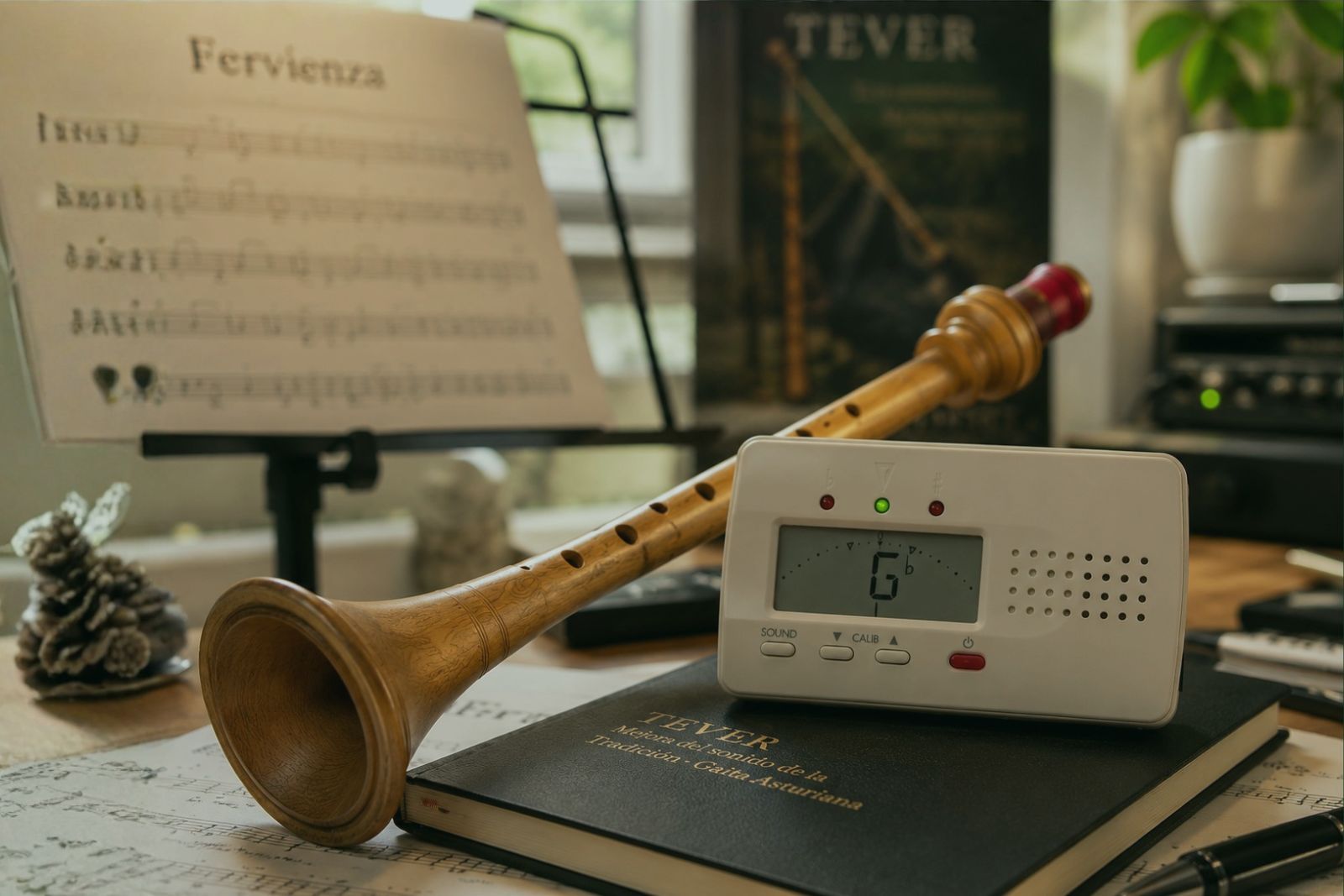
EssayThe evolution of our sound: how the Asturian bagpipe learned to play with the world
The bagpipe you hear today in public squares and on stage is not the same instrument as a hundred years ago. It is a tempered bagpipe. The story of how that change happened, why it was necessary and who made it possible.
-
 Essay
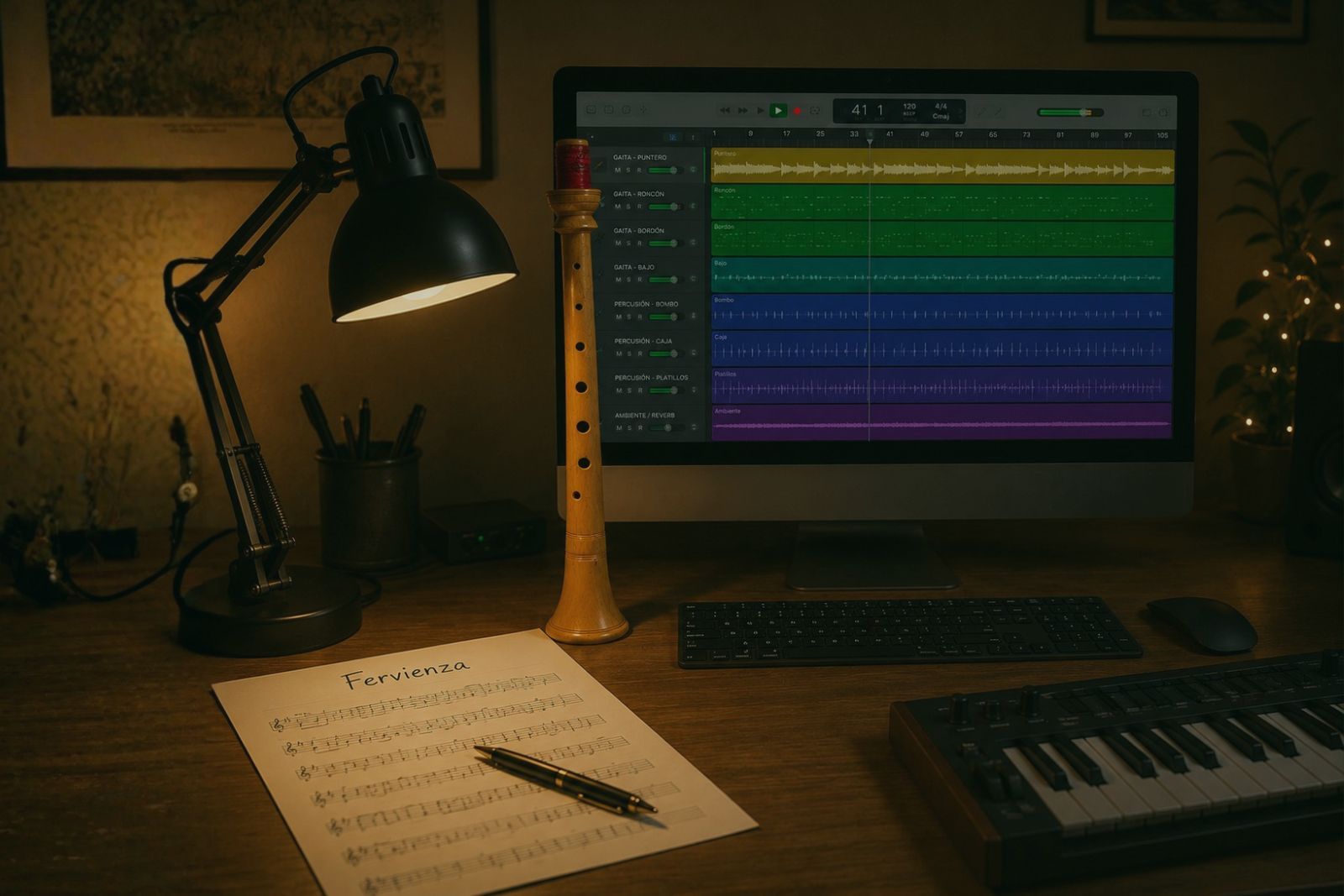
EssayComposing from the root: when music is the family name
Why composing for the Asturian gaita is, before anything technical, an act of identity: the story of Fervienza, the piece that was born from my family surname and from the need to connect those who are here with those who are gone.
-
 Essay
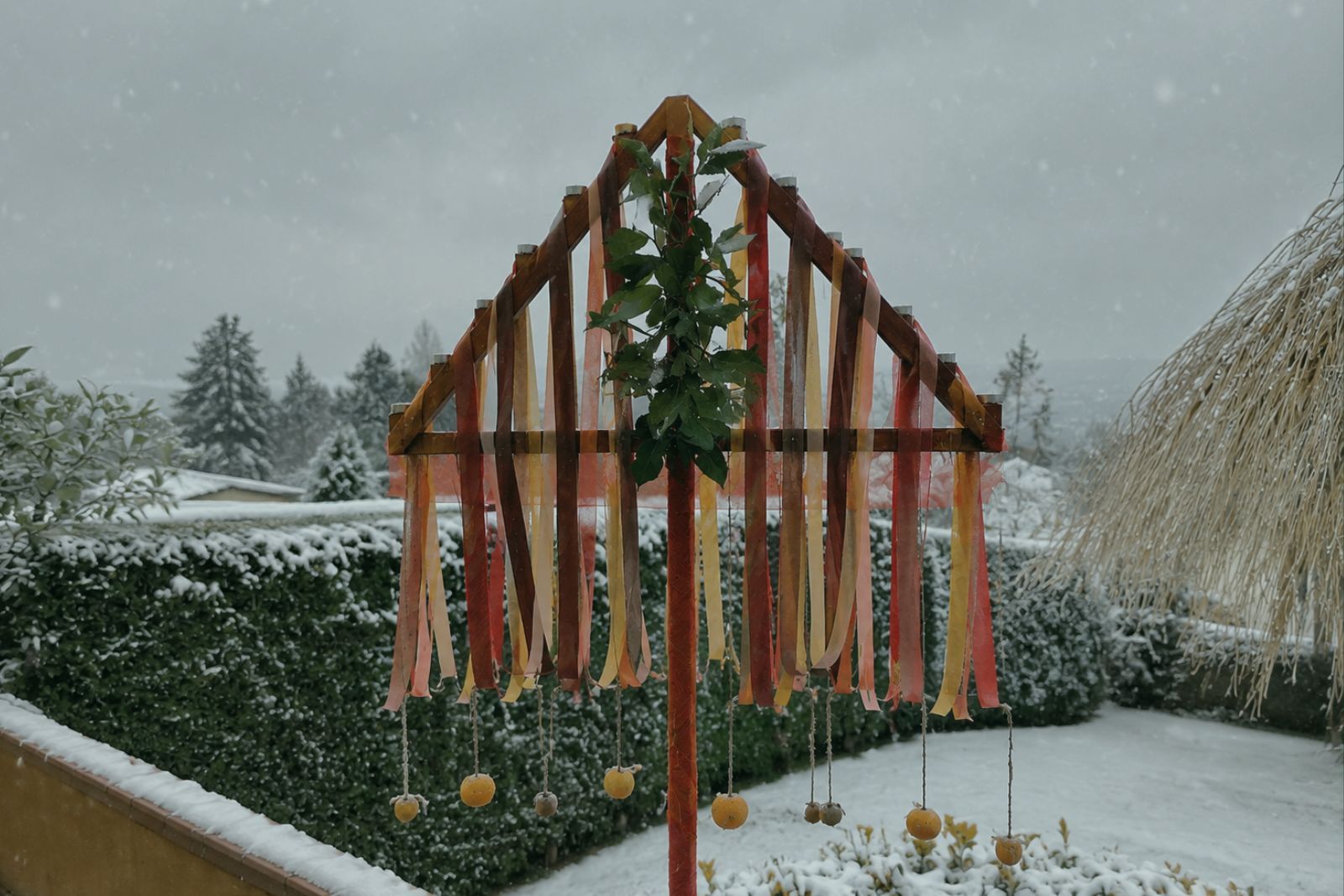
EssayRamu Nadal: reinterpreting the Asturian Christmas tradition
Why I recorded «Ramu Nadal»: two pieces from Torner's songbook turned into Asturian carols, and what a twelve-candle ornament has to do with keeping a December tradition alive.
-
 Essay
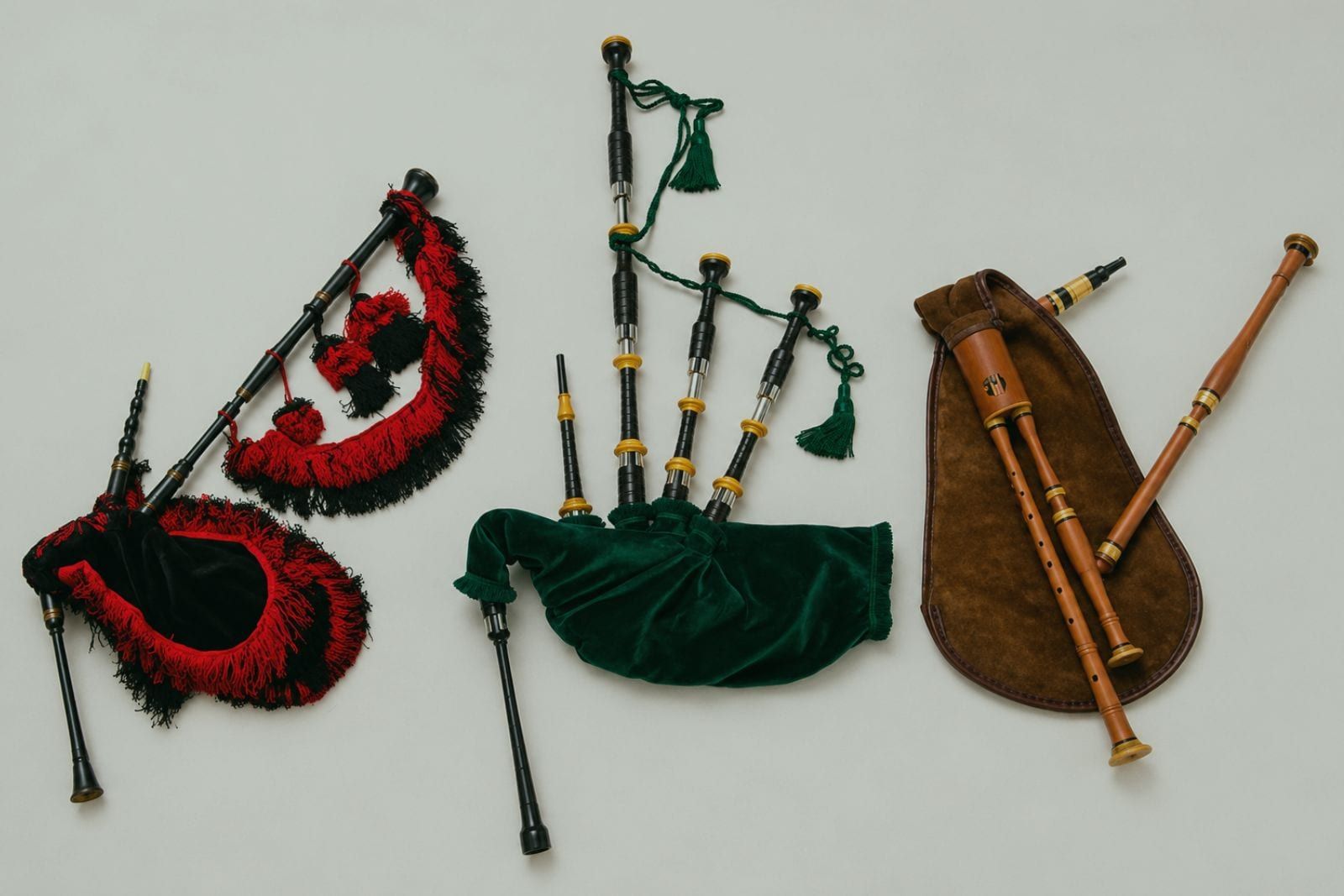
EssayGaita, bagpipe, cornemuse: what to call the Asturian gaita in each language
Why I call the Asturian gaita a gaita in English and French too, how it relates to «bagpipe» and «cornemuse», and why keeping the proper name is a cultural decision, not an oversight.
-
 Essay
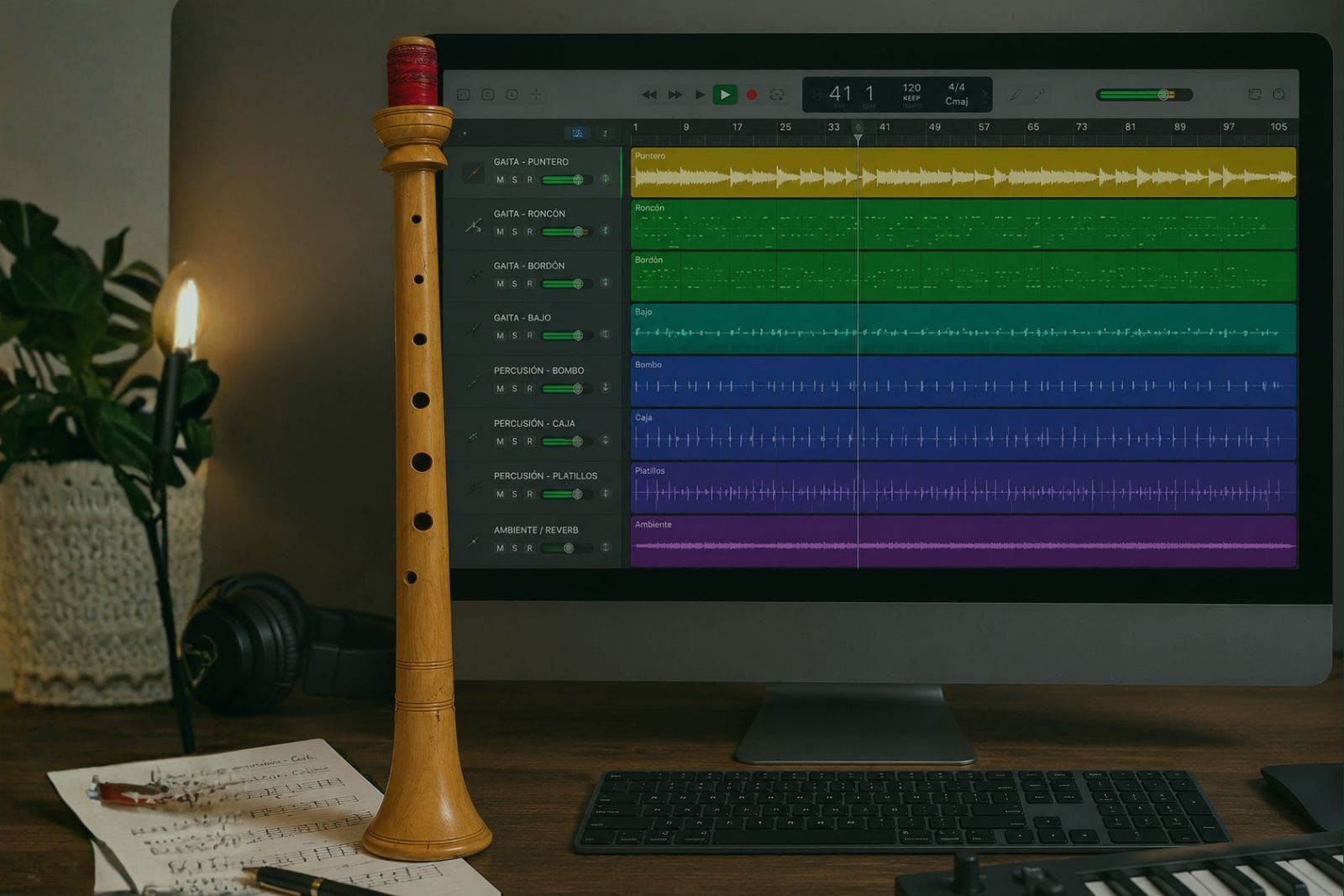
EssayWriting new music from tradition
How I compose starting from Asturian tradition without limiting myself to repeating it. My real process, the blend of root and contemporary, and why I believe this is how it stays alive.
-
 Essay
Essay«Suañu de Gaita»: composing from the root
«Suañu de Gaita», my piece: what it is, the idea behind it and why I compose from the Asturian root instead of repeating it. With a link to listen.
-
 Guide
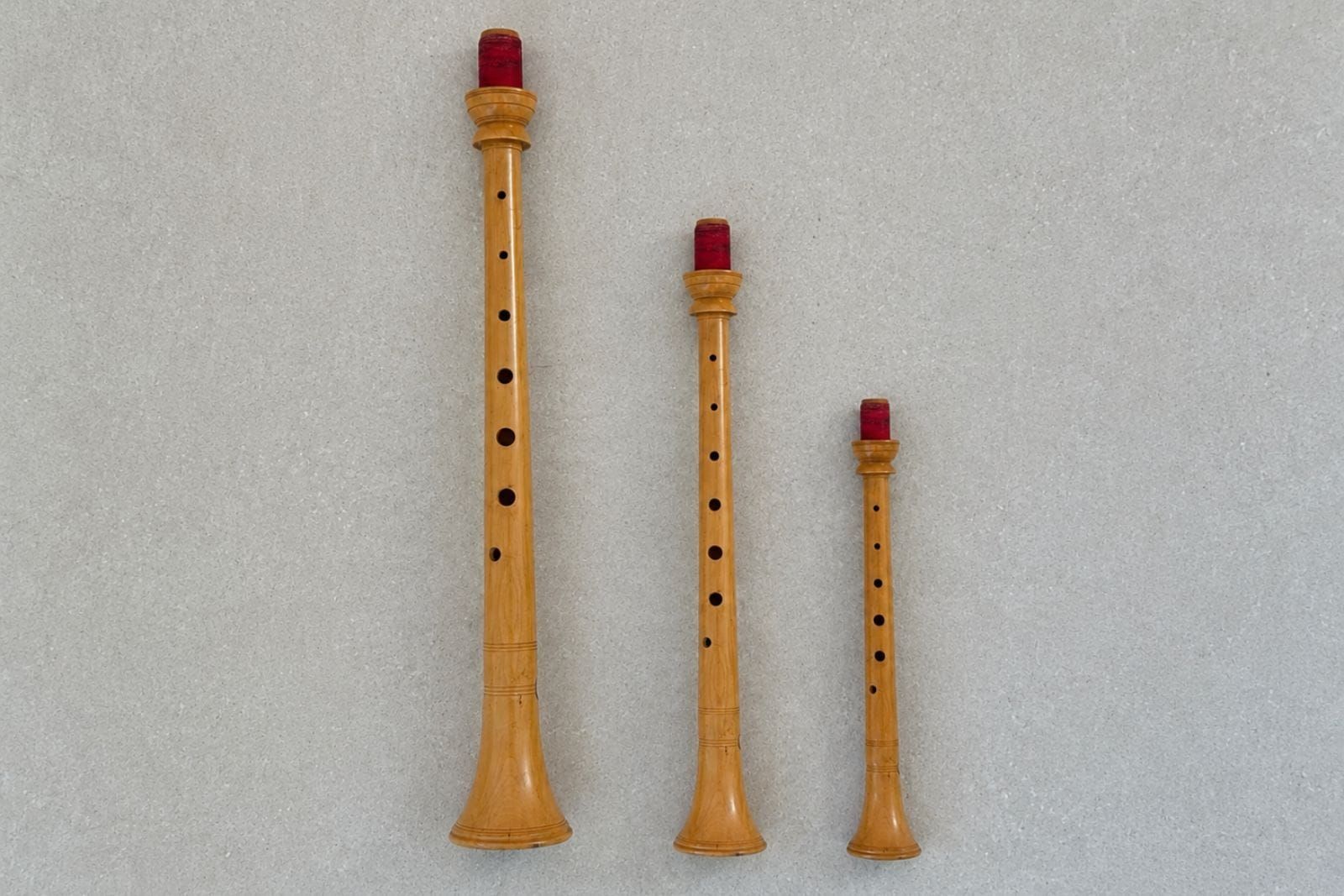
GuideTuning the Asturian gaita: C, B flat, D and how to choose
The tunings of the Asturian gaita (C, B flat, D and others), what each one means, why there are several and how to choose yours according to what you plan to play.
-
 Comparison
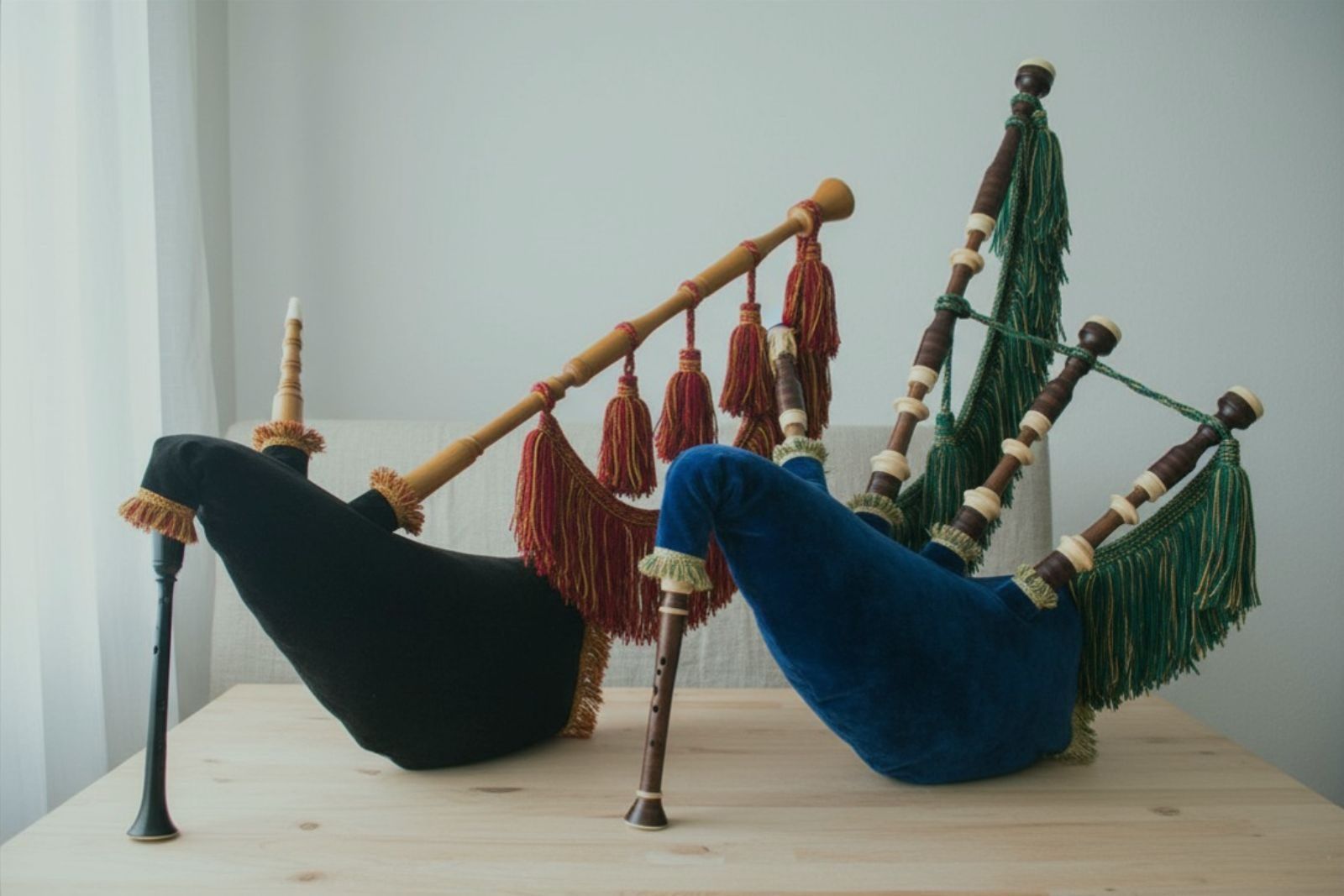
Asturian gaita vs. Galician gaita: the real differences
The real differences between the Asturian gaita and the Galician gaita —tuning, repertoire, technique and sound— without the cliché that they are the same, nor the souvenir rivalry.
-
 Guide
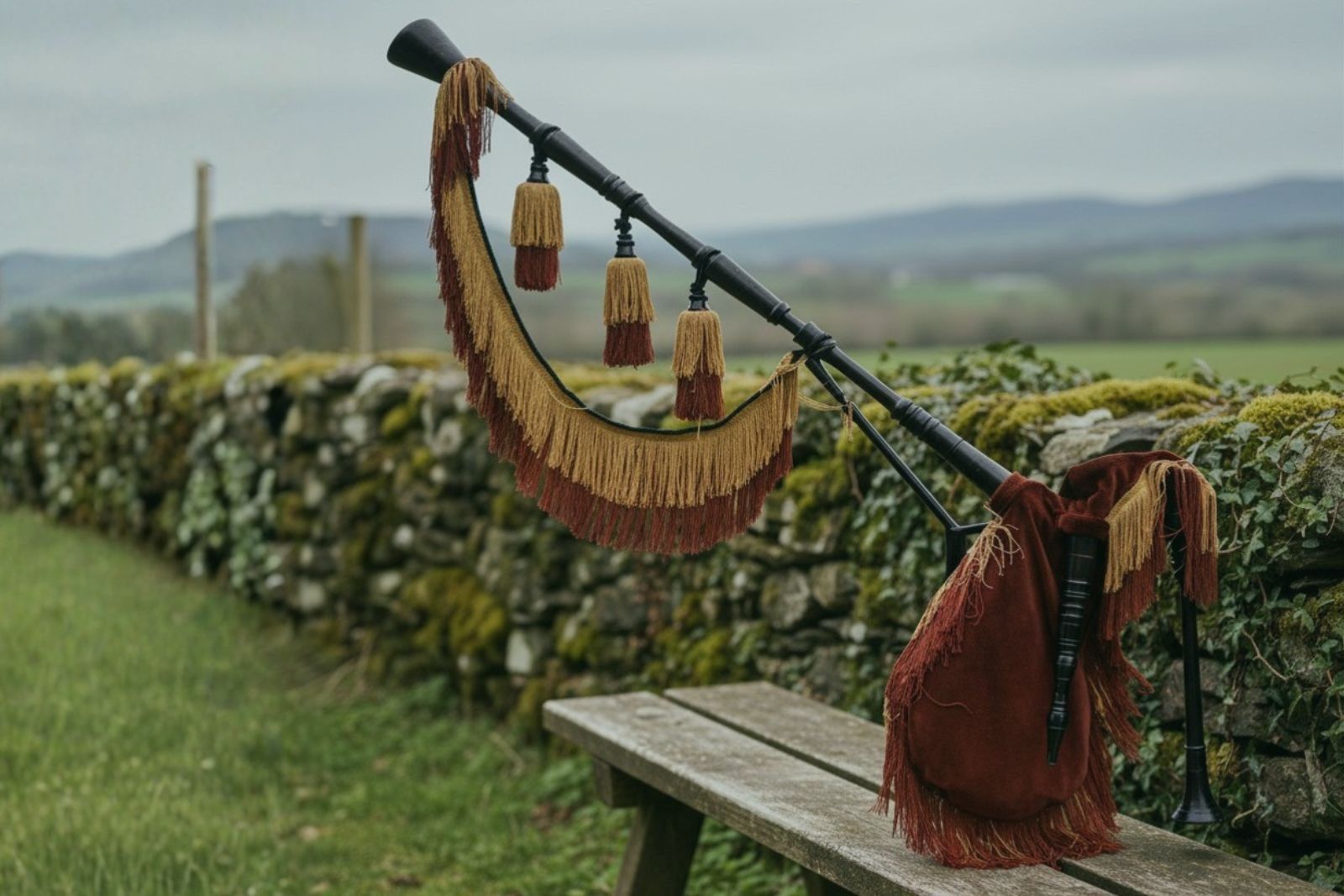
GuideWhat is the Asturian gaita? A guide for the curious
What the Asturian gaita is, what parts it is made of, what keys it is tuned in and what repertoire it serves. A clear guide for anyone starting from scratch.
Nothing here yet. Try another word — or drop me a line and I'll cover it.