Essay · Original Composition
«Suañu de Gaita»: composing from the root
«Suañu de Gaita», my piece: what it is, the idea behind it and why I compose from the Asturian root instead of repeating it. With a link to listen.
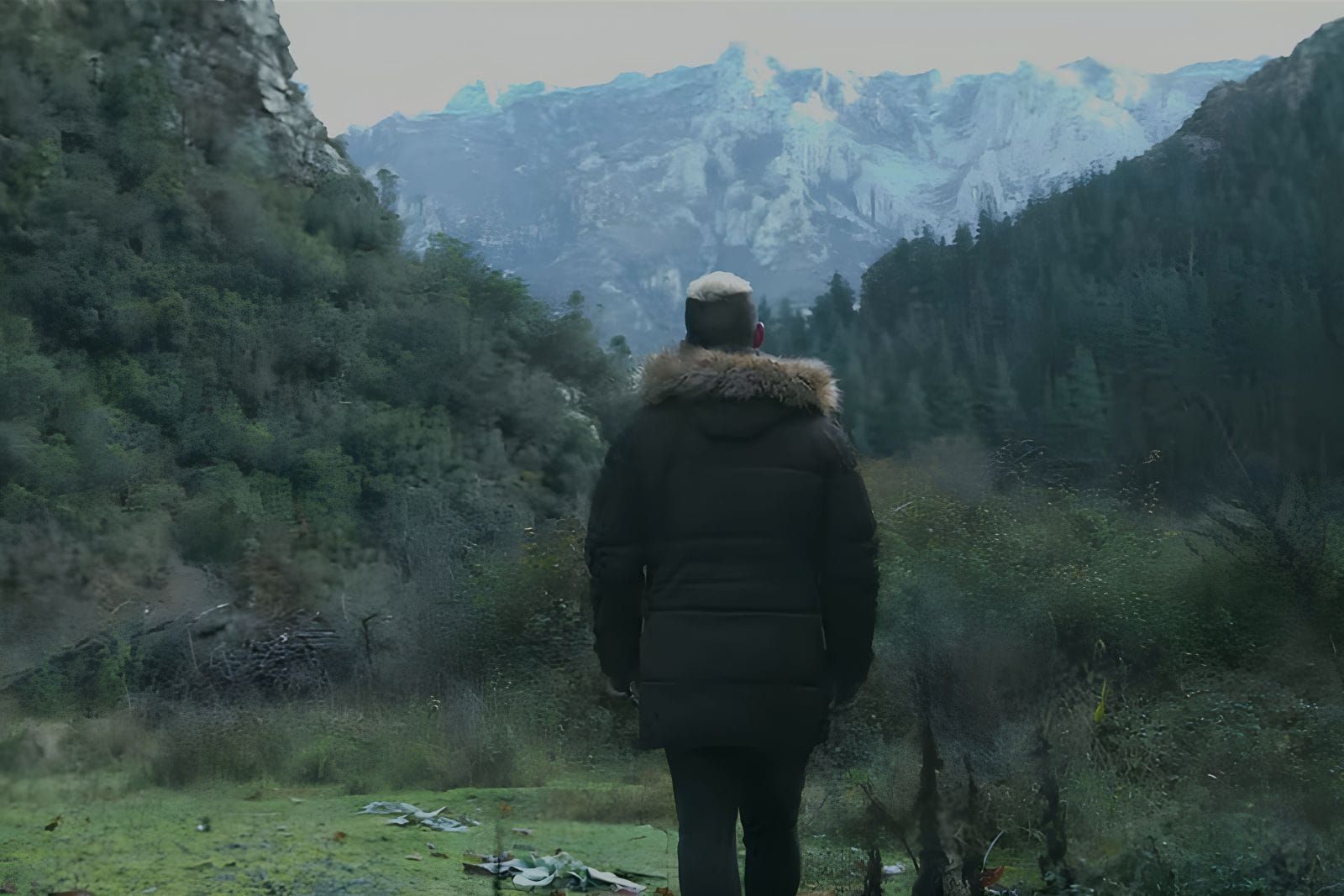
«Suañu de Gaita» is an original composition: a piece for Asturian gaita that I wrote starting from the tradition and carrying it into contemporary ground. It gives its name to my EP of the same title, self-released in 2021. This isn’t about the whole record: it’s about the piece and why I composed it this way.
What the title means
Suañu is dream in Asturian. «Suañu de Gaita» is, literally, the dream of a gaita —or a dream made with gaita. The title isn’t decorative: it marks the intention of the piece. I didn’t want to record the same old repertoire one more time as it is, but to let the gaita dream a little, to make it sound like today without ceasing to sound like here.
Composing from the root, not repeating it
This piece is born of playing the same old repertoire and, at the same time, of wanting to say something that wasn’t in it. I start from the root —the Asturian gaita, its language, its way of breathing— and push it towards where it isn’t expected.
That is what original composition means to me: not folk-fusion or world music, nor archaeology. It’s writing new music in which the tradition is the starting point, not the destination. A root bears new fruit every year without ceasing to be the same root; with Asturian traditional music it works just the same.
«Suañu de Gaita» is my way of saying that with one concrete piece instead of with a statement.
Listen to it
The best way to understand a piece is to hear it, not to read about it. Here it is:
If you’ve come from the question of what the instrument is, you might want to start with what is the Asturian gaita and come back here afterwards: it sounds different once you know what you’re hearing. And if you’re interested in the method behind this piece —not the piece, but the how— I tell it in writing new music from tradition.
Frequently asked questions
-
Where can I listen to Suañu de Gaita?
The title track is available on YouTube and the full EP is on Spotify. It was self-released in 2021.
You’ll find all the platform links gathered at Música. The EP has five original compositions — “Suañu de Gaita” is the title track, but the whole record is worth hearing as a unit.
-
What is Suañu de Gaita?
Suañu de Gaita is an original composition of mine and the title of my debut EP, self-released in 2021. The title means “dream of gaita” in Asturian.
The piece takes the gaita asturiana as a language and carries it into contemporary territory without ceasing to sound like it comes from here. Not folk fusion, not musical archaeology — composition from the root, where the Asturian tradition is the starting point, not the destination. You hear where it comes from; what it says is new.
The full EP has five tracks. It’s on Spotify and YouTube.
I write about the ideas behind it in Suañu de Gaita.