
Original work and living
traditional repertoire.
Original composition and recorded Asturian tradition. Available on streaming; direct sales coming soon.
Two formats,
one gaita.
Each format answers a different setting. Tell me yours and I'll prepare the show to fit.
Traditional
Gaita-and-drum duo, bandina or folk ensemble. The Asturian gaita on home ground: fiestas, romerías, festivals and celebrations.
Concert-talk
Gaita and piano, educational concerts and gaita with a pop-rock band for festivals. And the talk: innovation rooted in tradition.
Plain talk, no fuss.
I write about the gaita, Asturian traditional music and the Atlantic arc for beginners and for those who already play. Knowledge meant to be shared, not hoarded.
-
 Essay
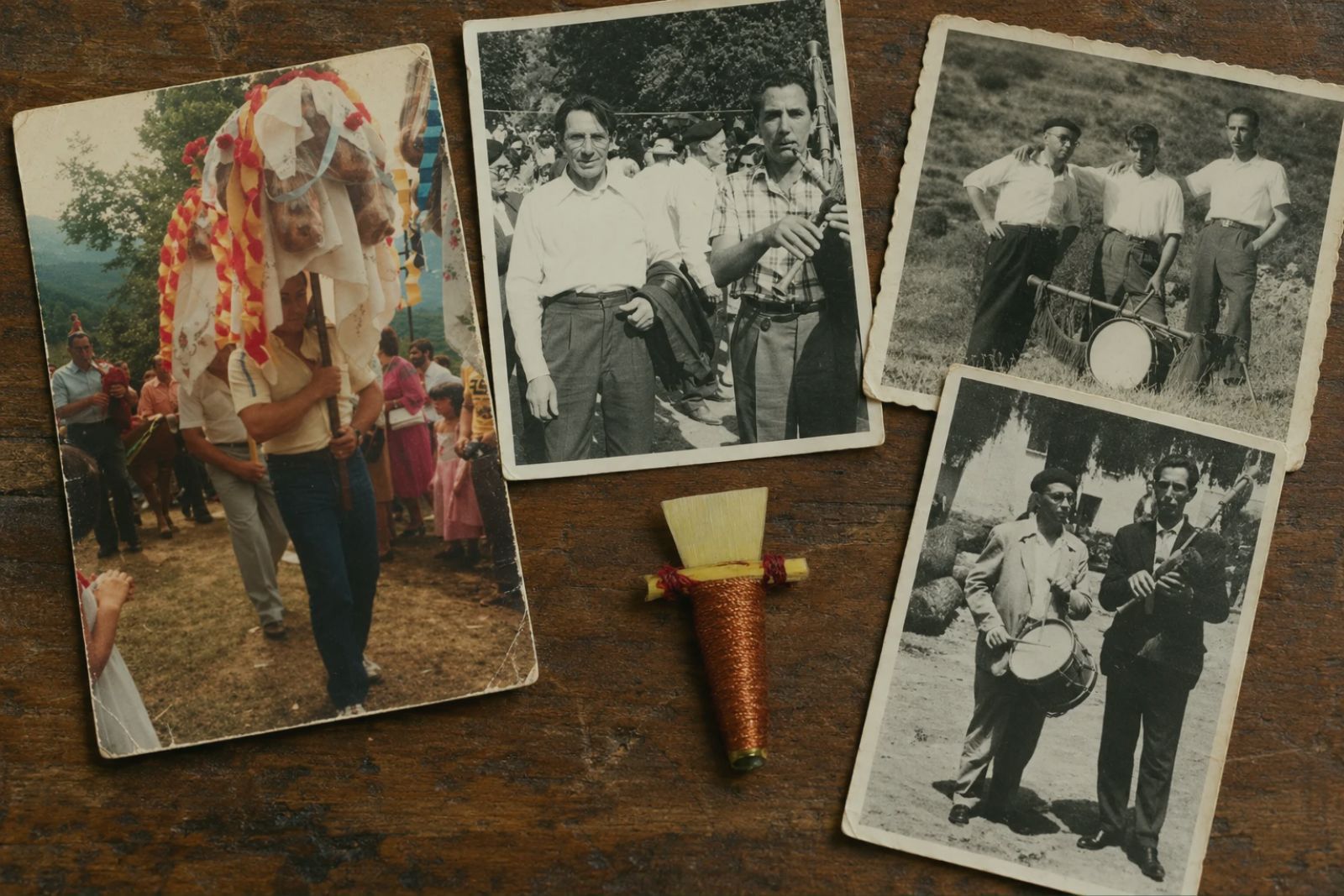
EssayJuan Rodríguez Huerta: piper from Teverga and gaita maker
Fourth instalment of the series: Juan el de la Torre, piper from Teverga and gaita maker, who played through the war and the dictatorship.
-
 Guide
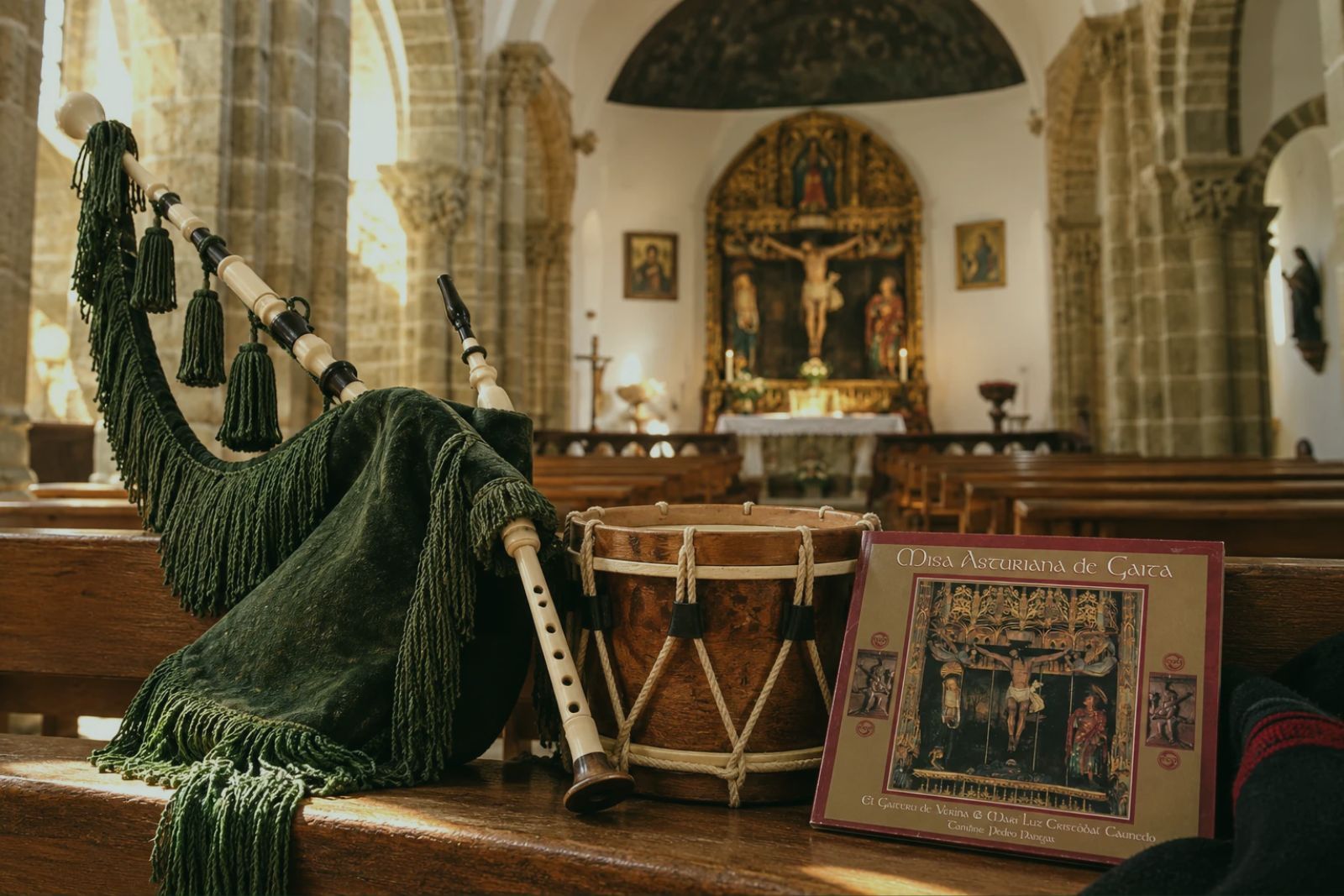
GuideWhat is the Asturian gaita mass
A Latin mass, sung in Asturian tonada style and accompanied by the gaita. What it is, where it comes from, how it sounds and why the Administration declared it a Bien de Interés Cultural in 2014. One of the oldest musical traditions of Asturias.
-
 Tutorial
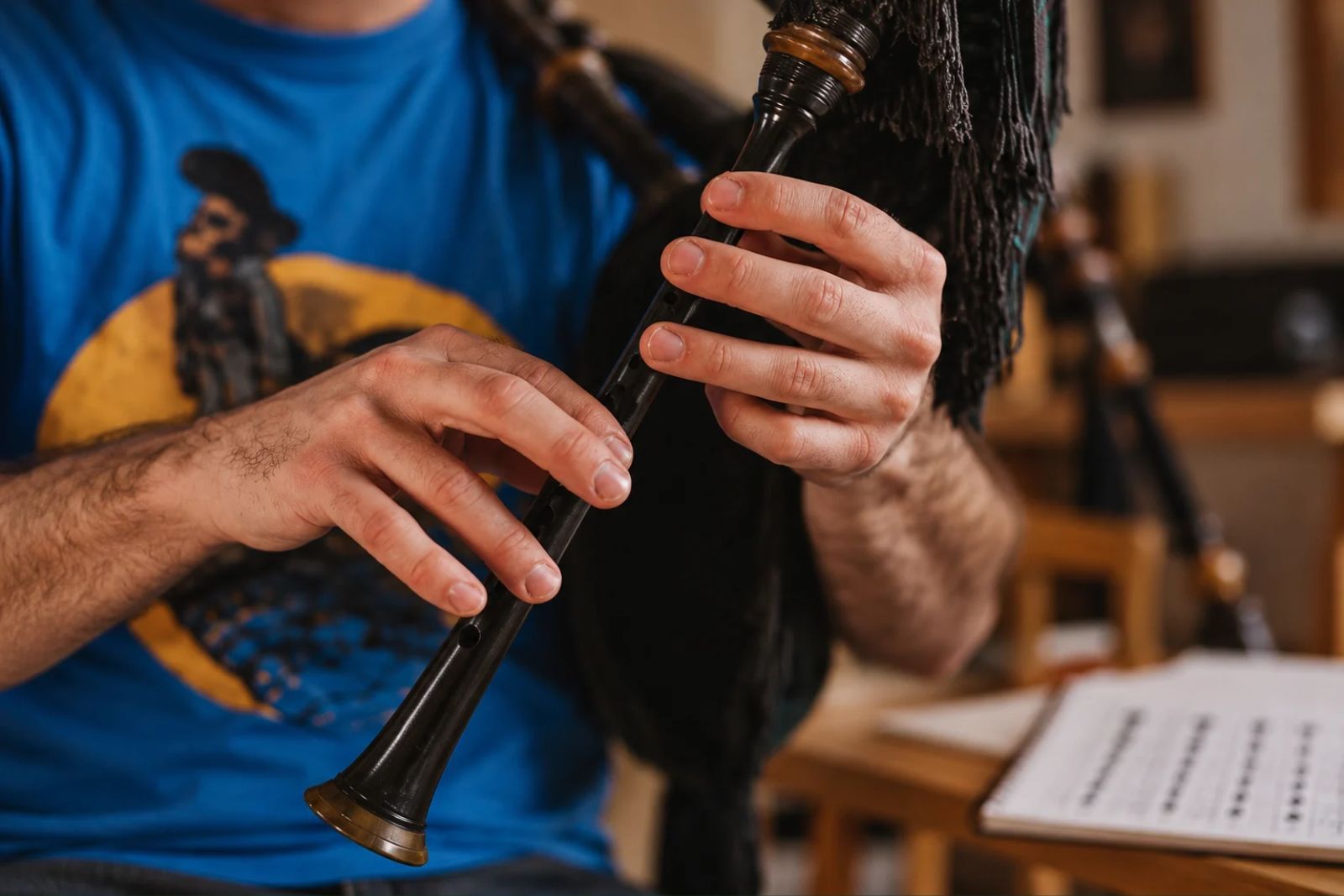
The pivot: the exercise my students use to memorise the notes of the Asturian gaita
I came up with this exercise years ago and I use it with all my students, at every level: you fix one note and alternate it with the others. This way you memorise the fingering of each note, learn to narrate the notes in your head while you play them, and gain the independence to play without sheet music.
Moving forward
from tradition.
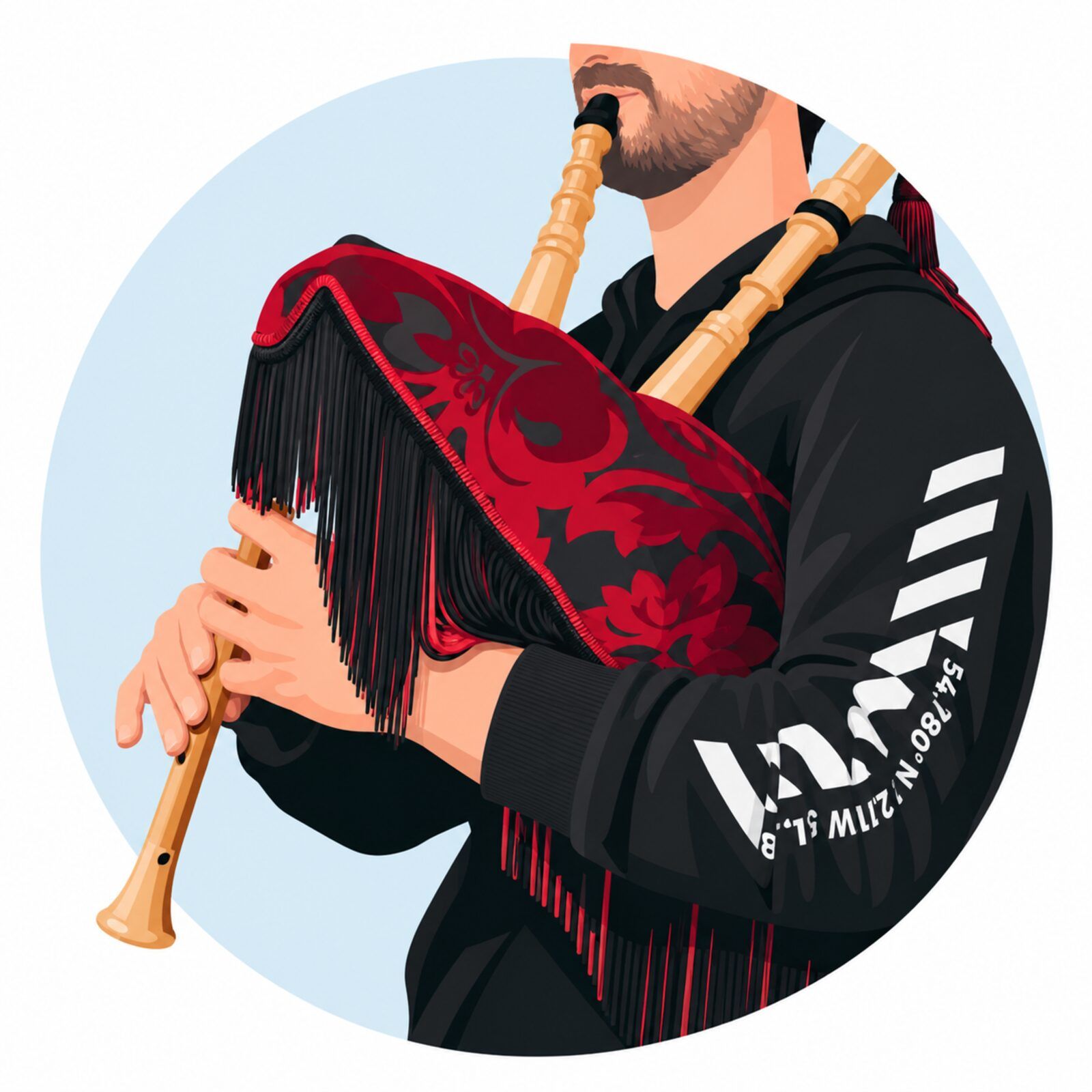
I started playing in 1998, taught by Manolo Quirós, and I never stopped. Between 2007 and 2024 I was part of the Banda Gaites Camín de Fierro; today I compose, record and teach from Asturies, and I take the gaita where it isn't expected: from ceremonial repertoire to the production studio.
I look to the whole Atlantic family of the gaita —Galicia, Brittany, Ireland, Scotland, Cape Breton— but I start from here. It's not world music or folk fusion: it's roots Asturian gaita in dialogue with the Atlantic arc.